
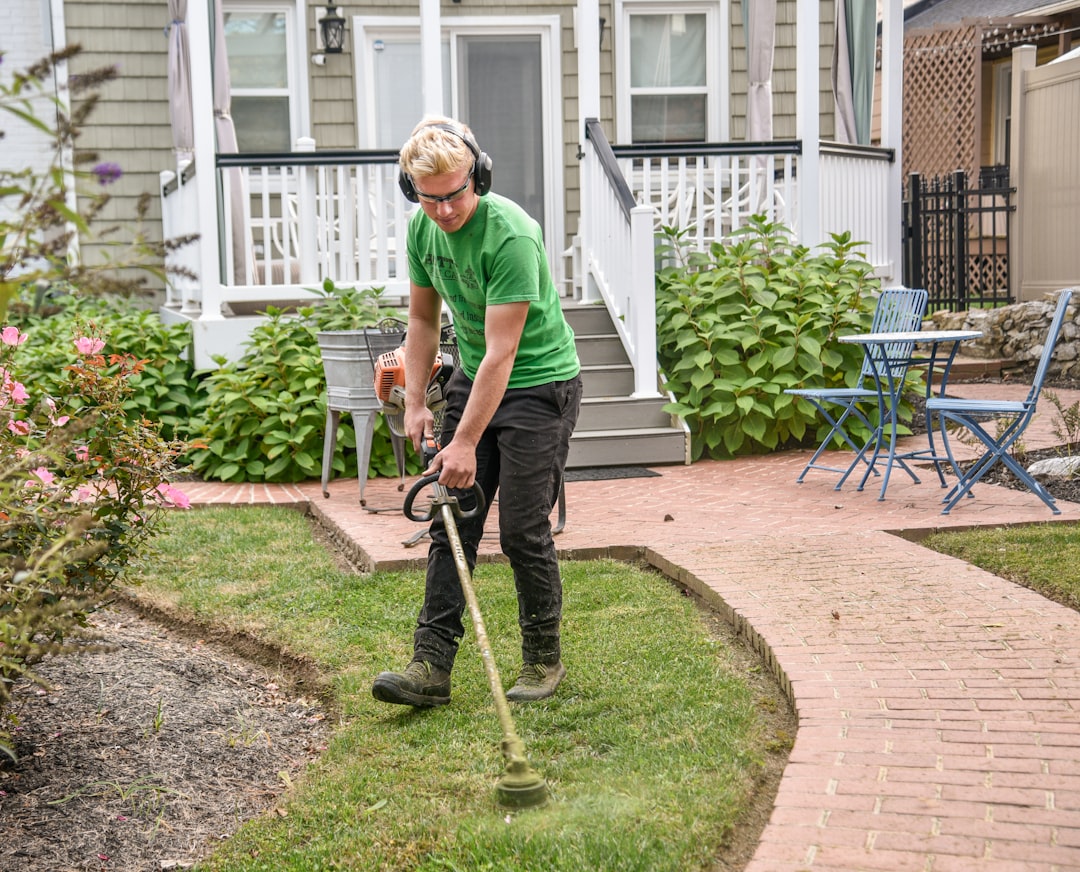
I used to think gardening was mostly about planting the right things and hoping for the best. Turns out, planting is maybe 20% of the job. The other 80% is maintenance — the stuff nobody posts pictures of on social media.
After years of trial, error, and a few embarrassing plant casualties, I’ve narrowed things down to ten tasks that genuinely make the biggest difference. These aren’t fancy techniques. They’re the boring, repetitive things that actually keep a garden alive and thriving.
Let’s go through them one by one.
1. Watering correctly, not just frequently
This is the task most homeowners get wrong, including me for a long time.
Watering isn’t about how often you do it. It’s about how deeply the water reaches the roots.
Shallow watering trains roots to stay near the surface, which makes plants weaker during dry spells. Deep watering, done less frequently, encourages roots to grow downward and become more resilient.
A simple trick: stick your finger about two inches into the soil before watering. If it’s still moist, skip that day.
2. Weeding before it becomes a battle
Weeds are sneaky. They look harmless at first — just a few small sprouts here and there.
Then suddenly they’re everywhere, stealing nutrients and water from the plants you actually want to grow.
The trick is to weed little and often, rather than letting it pile up into a weekend-long project. Five minutes every couple of days beats two hours every month.
Pulling weeds right after rain is also easier, since the soil is softer and roots come out more cleanly.
3. Checking soil health regularly
Most people only think about soil when something goes wrong. By then, it’s often already a struggle to fix.
Healthy soil should feel loose, slightly moist, and smell earthy — not sour or overly dry and compacted.
Adding compost periodically helps replenish nutrients that plants absorb over time. Even a thin layer spread once or twice a season can noticeably improve plant health.
If you really want to get serious, a basic soil pH test kit is inexpensive and tells you a lot about what your garden actually needs.
4. Pruning at the right time
Pruning intimidates a lot of beginners, and honestly, it intimidated me too at first.
But here’s the thing: most plants benefit hugely from regular trimming. It encourages new growth, improves air circulation, and removes dead or diseased branches before they spread problems.
The mistake people make most often is pruning at the wrong time of year, which can accidentally remove next season’s flower buds.
When in doubt, prune right after a plant finishes blooming, not before.
5. Mulching to protect and retain moisture
Mulch feels like an optional extra to many homeowners, but it’s actually one of the most powerful maintenance tools available.
A good layer of mulch — around two to three inches — regulates soil temperature, reduces weed growth, and keeps moisture from evaporating too quickly.
It also slowly breaks down and feeds nutrients back into the soil, which is basically a bonus you get for free.
Just avoid piling mulch directly against plant stems, since that can trap moisture and invite rot.
6. Inspecting plants for pests and disease
This task is easy to skip because it requires actually slowing down and looking closely.
Walking through your garden once a week, checking leaves (especially the undersides), can catch pest problems while they’re still small and manageable.
Aphids, spider mites, and fungal spots spread fast if ignored. Catching them early often means the difference between a quick fix and losing an entire plant.
A simple habit: every time you water, glance at three or four leaves up close.
7. Cleaning and maintaining your tools
Nobody talks about this one enough.
Dirty, dull tools don’t just make work harder — they can actually spread disease between plants and cause unnecessary damage during cutting.
After each use, wipe blades clean. Every few weeks, sharpen anything used for cutting. At the end of each season, oil metal parts to prevent rust.
It sounds excessive until you experience the difference between cutting with a sharp, clean tool versus a rusty, dull one.
8. Fertilizing based on actual plant needs
Fertilizer isn’t a “more is better” situation. Overdoing it can burn roots and actually harm growth instead of helping it.
Different plants need different nutrients at different times. Leafy plants generally want more nitrogen, while flowering and fruiting plants benefit from phosphorus and potassium.
A slow-release organic fertilizer applied during the growing season is usually safer than guessing with synthetic options.
When unsure, less frequent, lighter applications tend to be the safer path.
9. Adjusting maintenance based on the season
A task that works perfectly in spring might be completely wrong in winter.
Watering needs drop dramatically in cold months. Pruning timing shifts depending on plant type. Pest activity changes based on temperature.
Homeowners who treat every month the same often end up overcorrecting in one direction or another.
Keeping a simple seasonal checklist — even just scribbled notes on your phone — helps avoid this common mistake.
10. Building small daily or weekly habits
This last one isn’t really a single task. It’s more of a mindset shift.
Gardens thrive on consistency, not occasional bursts of intense effort. Fifteen minutes a few times a week beats one exhausting weekend session every month.
Walking through your garden regularly, even without doing anything specific, helps you notice small issues before they become big ones.
This is honestly the habit that changed everything for me. Once I stopped treating gardening as a “project” and started treating it as part of my routine, everything became noticeably easier.
Putting it all together
None of these ten tasks are complicated on their own. The challenge is doing them consistently, without letting any single one slide for too long.
Watering, weeding, soil care, pruning, mulching, pest checks, tool maintenance, fertilizing, seasonal adjustments, and small daily habits — together, they cover almost everything a healthy garden actually needs.
Skip one occasionally and nothing terrible happens. Skip several for weeks at a time, and that’s usually when problems start compounding.
If you’re just starting out, don’t try to master all ten at once. Pick two or three, build them into a routine, and add more as they become second nature.
That’s really the secret behind every healthy, low-stress garden I’ve seen — not perfection, just steady, repeated attention over time.
