
The first hard frost of the year caught me off guard once, and I lost a bed of peppers and a potted rosemary I could have easily saved with twenty minutes of prep.
Now I treat the two or three weeks before the first frost date as a real deadline.
Winterizing isn’t about doing everything—it’s about a short checklist of the jobs that protect your soil, your perennials, and your tools so the garden comes back stronger in spring instead of limping into it.
Here’s what actually matters.
Know your first frost date first
Everything keys off one number: your average first frost date, which you can look up by zip code or region.
Count back about two to three weeks from it—that’s your window to get the jobs below done while the weather still cooperates. A surprise early frost is exactly what catches gardeners out, so err on the early side.
The winterizing checklist
| Task | Why it matters |
|---|---|
| Harvest tender crops | Frost destroys tomatoes, peppers, basil overnight |
| Mulch perennials and beds | Insulates roots through freeze-thaw cycles |
| Bring in or protect tender potted plants | Pots freeze solid faster than ground soil |
| Drain hoses and shut off outdoor taps | Trapped water freezes and bursts pipes |
| Clean and store tools | Prevents rust; ready for spring |
Step by step through the garden
- Harvest everything tender. Pick the last tomatoes (even green ones ripen indoors), peppers, squash, and basil before frost turns them to mush.
- Cut back and clean up—selectively. Remove diseased or mushy foliage to deny pests a winter home, but leave some seed heads and hollow stems standing for birds and overwintering beneficial insects.
- Mulch generously. A 2–4 inch layer of leaves, straw, or compost over beds and around perennials is the single most protective job you’ll do.
- Protect the pots. Move tender container plants into a shed, garage, or against a sheltered wall. Roots in pots have far less insulation than roots in the ground.
- Winterize the water system. Disconnect, drain, and store hoses; shut off and drain outdoor faucets so nothing freezes and cracks.
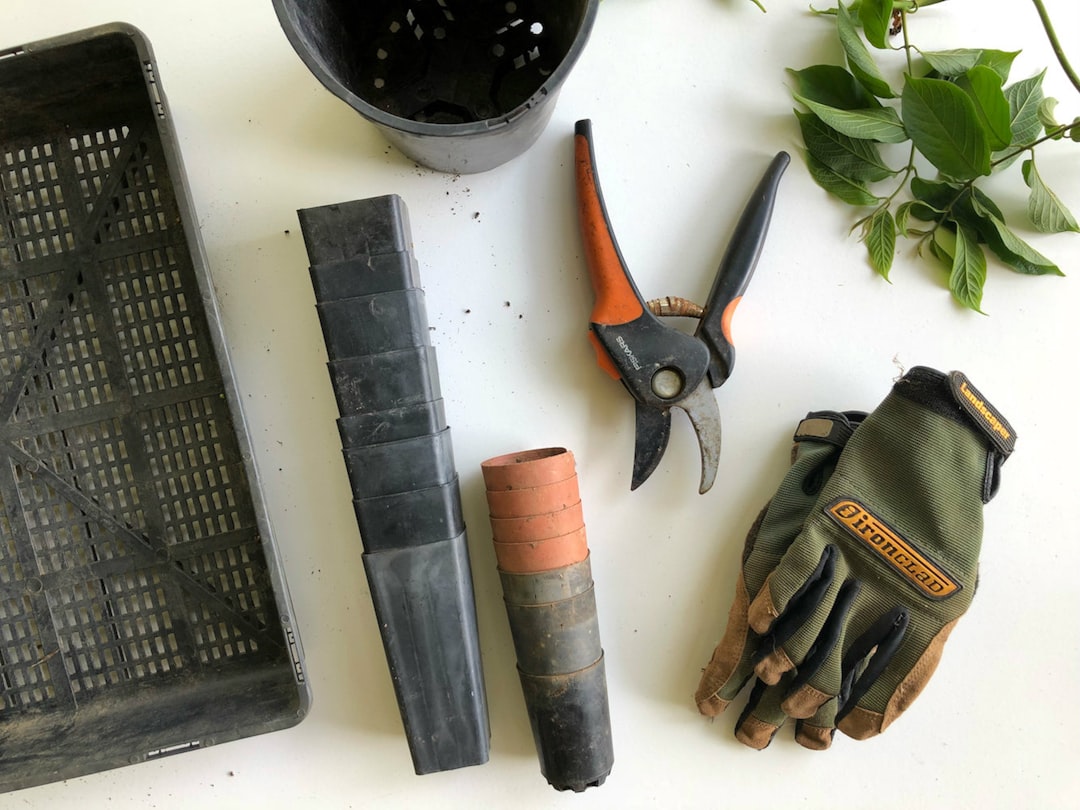
- Clean, sharpen, and oil tools before they go into storage, so rust doesn’t set in over winter.
The job that protects your garden most: mulch
If you only do one thing, mulch.
Here’s the part people miss—the danger to perennial roots isn’t steady cold, it’s the freeze-thaw cycle. When soil freezes and thaws repeatedly, it heaves, physically pushing plant crowns and roots up out of the ground where they dry out and die.
A thick mulch layer keeps the soil temperature steady, so it stays frozen through the cold snaps instead of yo-yoing.
Apply it after the ground has chilled but before the hard freezes, and pull it back a little from stems to avoid rot.
Protecting the plants that need it most
Some plants need more than a blanket of mulch. Give these the extra attention before the hard cold sets in:
- Roses: mound soil or compost 6–8 inches over the base (the graft union) to protect the crown, and stop feeding in late summer so they harden off.
- Potted citrus and figs: move them into an unheated garage or against a sheltered south wall; their roots freeze fast in containers.
- Tender perennials (dahlias, cannas): in cold regions, lift the tubers after the first frost blackens the foliage and store them dry and frost-free.
- Evergreens in pots: group them together and wrap the pots with burlap or bubble wrap to insulate the roots.
How much you do depends on your climate
Winterizing isn’t one-size-fits-all. In a mild region with light frosts, mulching beds and draining hoses may be nearly all you need.
In a cold zone with deep, prolonged freezes, the same garden needs heavier mulch, root protection for anything borderline-hardy, and tender plants brought indoors entirely.
Know your local hardiness zone and your average low temperature, and match the effort to it—there’s no point wrapping every plant if your winters are gentle, and no point skipping it if they’re brutal.
Mistakes to avoid
- Leaving hoses connected. Water freezes inside, expands, and can split the hose and the tap. Drain and disconnect.
- Cutting everything to the ground. A totally bare garden gives beneficial insects and birds nothing. Leave some structure standing.
- Mulching too early. Piling mulch on while the soil is still warm can shelter rodents and keep roots too active. Wait for the chill.
- Forgetting the pots. Container roots freeze fastest—an unprotected pot of perennial herbs often won’t survive.
Twenty or thirty minutes spread across a couple of afternoons is really all it takes, and it pays off the moment spring arrives to a garden that’s ready to grow instead of one you have to rescue.
A simple two-week timeline
Spreading the work across the two weeks before your first frost makes it painless. Here’s a rough order that front-loads the weather-sensitive jobs:
| When | Do this |
|---|---|
| Two weeks out | Harvest tender crops; take cuttings; lift tender bulbs and tubers |
| One week out | Cut back diseased growth; move pots to shelter; give beds a deep water |
| A few days out | Mulch beds and perennials; drain and store hoses; shut off outdoor taps |
| After first frost | Clean and oil tools; do a final tidy; note what to change next year |
The exact dates shift with your climate, but the sequence holds: protect what frost kills first, then insulate the soil, then put the tools to bed. Working to a list means nothing gets forgotten in the last-minute rush when a cold snap is forecast.
For a broader regional checklist of fall and winter prep, the Old Farmer’s Almanac keeps a free guide.
Should I cut back all my perennials in fall?
Not all of them.
Cut back anything diseased or slimy to stop problems overwintering, but leave healthy ornamental grasses, seed heads, and hollow-stemmed plants standing—they feed birds, shelter beneficial insects, and add winter interest.
You can tidy them in early spring instead.
Do I need to water before winter?
Yes, one deep watering before the ground freezes helps, especially for evergreens and newly planted shrubs, because they keep losing moisture through winter.
Well-hydrated plants going into the cold handle it far better than dry, stressed ones. Just stop once the ground begins to freeze.
