
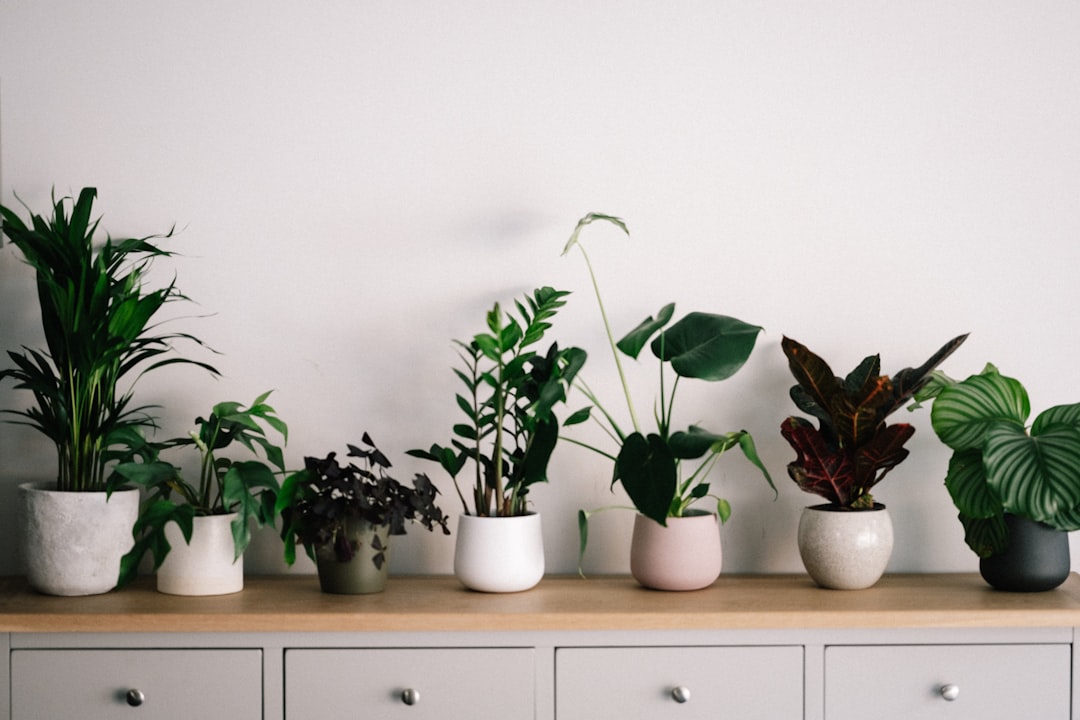
The first winter I owned a calathea, I watched its leaf edges turn crispy brown and assumed I was underwatering it. I wasn’t—the soil was fine.
The real culprit was the dry air from my heater, which drops indoor humidity to desert levels in winter.
Tropical houseplants come from steamy jungles where humidity sits around 60–80%, and a heated living room in January can fall below 30%. The good news: you don’t need a $60 humidifier to fix it.
Here are the cheap tricks that actually move the needle.
First, know which plants even care
Not every plant is fussy about humidity, and chasing it for the wrong plants is wasted effort. Here’s a quick sort:
| Craves humidity | Doesn’t care |
|---|---|
| Calathea, maranta (prayer plants) | Snake plant |
| Ferns (Boston, maidenhair) | Pothos and philodendron (tolerant) |
| Fiddle leaf fig, alocasia | ZZ plant |
| Orchids, anthurium | Succulents and cacti (want dry air) |
The telltale sign a plant wants more humidity is crispy brown leaf tips and edges while the soil moisture is fine. That’s your cue to try the methods below.
The cheap methods, ranked by how well they work
- Group your plants together. Free, and genuinely effective. Plants release moisture through their leaves (transpiration), so a cluster creates its own humid microclimate. The more you pack together, the better.
- Use a pebble tray. Set the pot on a shallow tray filled with pebbles and water, keeping the water level just below the pot’s base. As it evaporates, it humidifies the air right around the plant. Cost: a tray and a handful of stones.
- Move humidity-lovers to the bathroom or kitchen. These rooms are naturally the most humid in the house from showers and cooking. A fern thrives on a bright bathroom shelf.
- Cover with a clear dome or bag. For a struggling plant or new cutting, a clear plastic bag or an upturned jar creates an instant mini-greenhouse. Crack it open occasionally for airflow.
The method everyone recommends that barely works
Here’s the myth worth busting: misting does almost nothing for ambient humidity. A spray bottle raises the moisture around the leaves for a few minutes, then it’s gone—to make a real difference you’d have to mist many times a day.
Worse, water sitting on leaves overnight in still air can invite fungal spots and disease. If you enjoy misting, fine, but don’t rely on it as your humidity strategy.
The grouped plants and pebble tray do far more for far less effort.
Measure it so you’re not guessing
A cheap hygrometer (a humidity meter, a few dollars) turns this from guesswork into something you can actually manage.
Set it near your plants and check it over a few days—winter heating often reveals numbers far lower than people expect. Here’s what to aim for:
| Reading | What it means |
|---|---|
| Below 30% | Desert-dry—tropical plants will crisp; act now |
| 40–50% | Fine for most tolerant houseplants |
| 50–60%+ | The happy zone for calatheas, ferns, and orchids |
Winter is when it all goes wrong
Almost every humidity complaint lands in winter, and the cause is the heating. Radiators, forced-air vents, and wood stoves dry the air dramatically, right when plants are already coping with less light.
The fixes stack well: move the fussy plants to the naturally humid bathroom, group the rest together on a pebble tray, and keep everything away from direct heat sources.
If you run a humidifier for your own comfort, your plants benefit for free—so parking the tropical crowd in the room where you use it is the easiest win of all.
Mistakes to avoid
- Letting the pot sit in the pebble-tray water. The pot base must stay above the waterline, or the roots wick up water and rot. Pebbles hold the pot up for a reason.
- Placing humidity-lovers next to a heater or vent. Blowing hot, dry air is the fastest way to crisp a calathea. Move them away from vents and radiators.
- Relying on misting alone. As above—it feels productive but doesn’t hold.
- Sealing a plant in plastic with no airflow for weeks. Great short-term, but stagnant humid air breeds mold. Vent it regularly.
If you want to track whether any of this is working, a cheap hygrometer (a few dollars) takes the guesswork out—aim for 50% or above for the tropical crowd.
Make a pebble tray in five minutes
The pebble tray is the best cheap humidity trick, and you can build one from things you already have.
Take any shallow waterproof tray or a baking dish, fill it with a single layer of pebbles or gravel, and pour in water until it sits just below the top of the stones.
Set the plant pot on top of the pebbles. The key detail: the pot base must stay above the waterline, so it never sits in water and rots—the pebbles hold it up while the water evaporates around it.
As the water evaporates it lifts the humidity right where the plant needs it. Top up the tray every few days, and rinse it occasionally to keep it clean. One tray under a cluster of plants raises the moisture for all of them at once.
Trays vs a humidifier
A pebble tray and grouping are free and enough for most plants. A small humidifier is the upgrade when you keep genuinely fussy plants—calatheas, orchids, ferns—through a dry winter.
The humidifier raises the whole room’s humidity and holds it steady, while trays work only in the immediate area around the plant. Start free, and only spend if a moisture-hungry collection still struggles.
For a broader, science-based reference on houseplant care and the conditions different plants need, the Missouri Botanical Garden keeps a free guide.
Does a bowl of water near the plant help?
A little, through slow evaporation, but far less than a pebble tray placed directly under the plant, where the moisture rises right through the foliage.
If you go the bowl route, set it on a warm windowsill or near a heat source so it evaporates faster—just keep the plant itself away from the direct heat.
Can too much humidity be a problem?
Yes. Above about 80% with poor airflow, you invite mold, mildew, and fungal leaf spots.
That’s why grouping plants works best alongside gentle air circulation—a slightly open window or a small fan on low keeps the humid air fresh rather than stagnant.
