
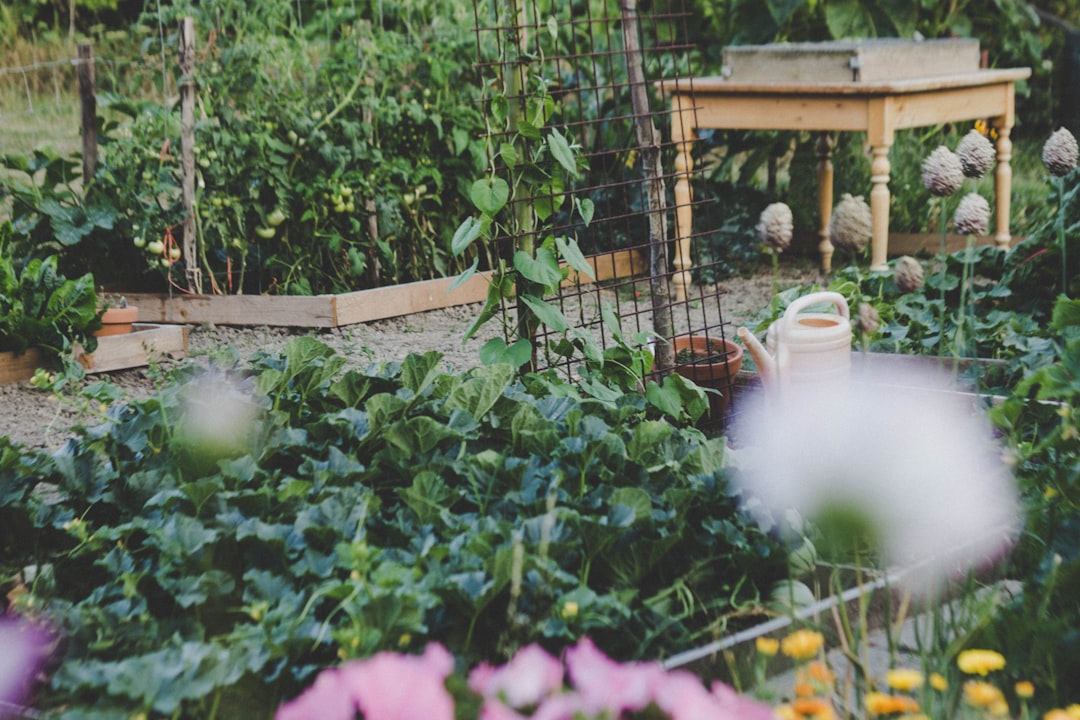
What if the greenest thing in your garden wasn’t a plant at all, but the way you sourced everything in it? Reusing materials—containers, timber, water, waste—is where gardening’s natural sustainability really pays off, saving money and keeping usable stuff out of the bin. Here are the reuse ideas that genuinely work.
Whether you’re working with a backyard, balcony, or even an indoor garden, there are countless ways to incorporate reused, repurposed, and recycled materials. You don’t need to buy new planters, garden decor, or even tools. With a little creativity, you can build a thriving and eco-friendly garden that reflects your values and supports the planet.
This comprehensive guide explores the many ways you can reuse materials in your garden, with step-by-step tips, practical examples, and fresh ideas that really work.
Why Reuse in the Garden?
Reusing materials in your garden helps:
- Reduce landfill waste
- Cut down on single-use plastics
- Lower your gardening expenses
- Add character and personality to your space
- Teach sustainable habits to family and friends
- Encourage creativity and problem-solving
It’s not just about saving money. It’s about reducing your environmental footprint while building something beautiful and useful.
Step 1: Take Inventory of What You Already Have
Before buying anything new, take a walk around your home. Look for items that could be repurposed.
Old kitchenware
Plastic containers
Glass jars
Worn-out furniture
Wood scraps
Metal buckets
Fabric scraps
Old clothes, towels, or bedding
Wires, baskets, crates, or pallets
Most people are surprised by how much they already have that can be reused in the garden.
Step 2: Reuse Containers as Planters
One of the easiest ways to reuse materials is by turning household containers into planters.
Creative Planter Ideas:
Old mugs or teacups
Plastic food tubs or yogurt containers
Metal cans (coffee, soup, paint cans)
Wooden boxes or drawers
Colanders or sieves
Baskets lined with fabric or plastic
Worn-out shoes or boots
Tires painted and stacked
Tin buckets or watering cans
Make sure each container has drainage holes. You can drill, punch, or cut small holes at the bottom, depending on the material.
Paint or decorate containers if you want a cohesive look—but often the mismatched style is part of the charm.
Step 3: Repurpose Wooden Pallets
Pallets are one of the most versatile materials you can reuse. You can often find them for free at hardware stores or warehouses.
Ideas for Using Pallets in the Garden:
Vertical herb garden
Raised planting beds
Compost bin
Garden bench or table
Planter wall divider
Tool storage rack
Pathway borders
Make sure to check that the pallet is heat-treated (look for an “HT” stamp), which means it’s safer for garden use.
Step 4: Turn Kitchen Scraps into Garden Tools
Many kitchen items are useful beyond the compost bin.
Uses for Common Scraps and Materials:
Egg cartons → seed starters
Toilet paper rolls → seedling pots
Plastic bottles → watering system
Plastic forks → garden markers or pest deterrents
Old spoons → herb labels
Glass jars → propagation vases
Coffee grounds → compost or fertilizer
Citrus peels → slug traps or seedling pots
Reusing kitchen scraps not only saves money—it also turns waste into something valuable for your plants.
Step 5: Build with Broken Items
Just because something is broken doesn’t mean it’s useless.
Ideas for Repurposing Broken Items:
Broken terracotta pots → mulch or drainage
Cracked bowls → succulent gardens
Old drawers → stacked planters
Rusty tools → rustic wall decor
Cracked mirrors → decorative garden accents
Worn-out ladders → plant stands or trellises
Bent wire hangers → support structures
Give broken items a second chance—and add character to your garden in the process.
Step 6: Reclaim Fabric and Clothing
Textiles are often overlooked in the garden, but they’re incredibly useful.
Use old towels as plant wraps during frost
Cut up T-shirts to use as plant ties
Line baskets with fabric scraps
Use old sheets as sunshades
Make reusable grow bags from denim or canvas
Turn socks into pot covers
You can even create scarecrows or decorative features using worn-out clothes.
Step 7: Reuse Water and Irrigation Materials
Water is precious. You can save and reuse it using simple tools and habits.
Collect rainwater using buckets or barrels
Save cooled water from boiling vegetables or pasta (if unsalted)
Place basins in the sink to collect rinse water
Use an old plastic bottle as a slow-drip irrigation system
Install gutters to direct rainwater into your garden
Reuse old hoses as plant supports or garden borders
Even greywater from showers (with mild soap) can be reused in ornamental gardens.
Step 8: Upcycle Furniture into Garden Structures
Old furniture can take on new life outdoors.
Bed frames → climbing trellis
Bookshelves → vertical planters
Chairs → single pot holders or accent furniture
Drawers → tiered plant displays
Tables → potting benches
Cabinets → tool storage
Mirrors → reflect light in shady corners
Make sure to seal wood to protect it from moisture. Sand surfaces and repaint as needed for durability and style.
Step 9: Repurpose Construction Materials
If you’ve done any renovations or have access to scrap building materials, there’s gold to be found.
Leftover bricks or pavers → garden paths
Tiles → plant markers or small mosaics
Concrete blocks → modular planters or benches
PVC pipes → vertical gardens or watering systems
Wire mesh → compost bins or trellises
Wood planks → raised beds or fences
Always check for safe, untreated materials—especially if growing food.
Step 10: Share, Trade, and Swap
Sustainable gardening is about community, too. You don’t have to source everything alone.
Join local gardening groups or online forums
Trade seeds, cuttings, or containers
Visit community swaps or “free stuff” days
Repurpose curbside finds (furniture, buckets, pallets)
Share tools with neighbors or create a community shed
The more we share, the more we reduce collective waste and encourage local sustainability.
Common Questions About Reusing Materials
Is it safe to reuse plastic?
Yes, but be cautious. Stick to food-grade plastics (marked with 1, 2, 4, or 5). Avoid plastic types 3, 6, and 7 for edible gardening due to chemical leaching risks.
Can I paint reused containers?
Absolutely. Use non-toxic, water-based exterior paints or spray paints labeled safe for plants and outdoor use. Let them cure completely before planting.
How do I make sure reused items won’t hurt my plants?
Clean all materials before use. Remove labels, rinse thoroughly, and avoid materials treated with chemicals or those showing signs of mold or rust if they will come into contact with soil.
Will reusing materials affect how my garden looks?
Only in the best way! Reused materials often create a charming, rustic, and unique appearance. Plus, when done with intention, your garden can look cohesive and stylish.
Final Thoughts: Reuse Is the New Resource
A sustainable garden isn’t about buying new things. It’s about working with what you have. It’s about slowing down and seeing potential in forgotten materials. It’s about reducing waste and reimagining what gardening can be.
When you reuse materials in your garden, you’re not just cutting costs. You’re living with intention. You’re contributing to the solution. And you’re creating a garden that tells a story.
So before you throw something away, ask yourself:
Can this grow something?
Often, the answer is yes.
