
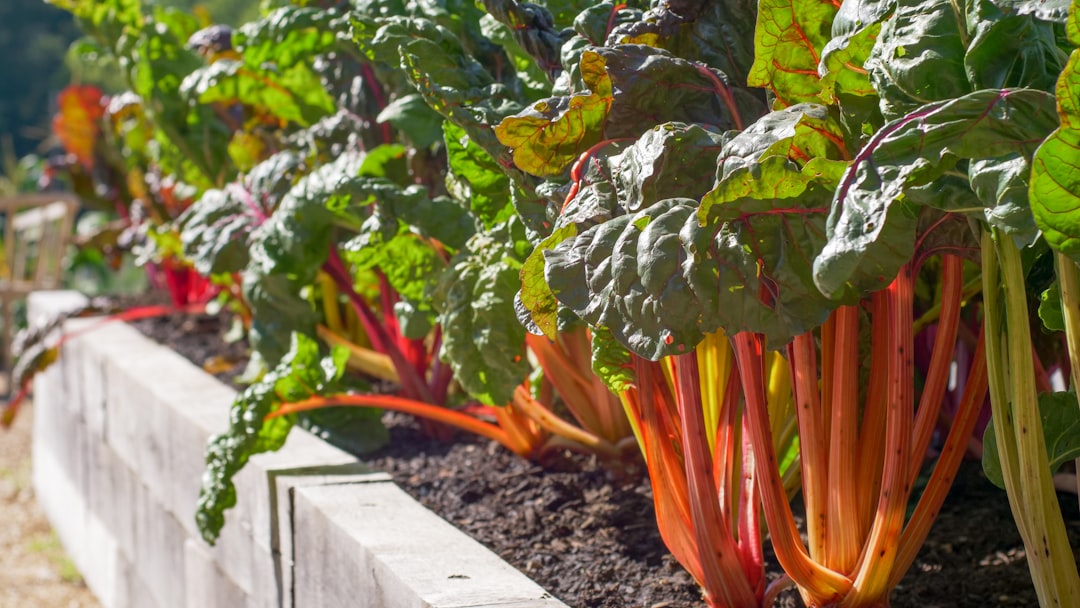
Can you really call a balcony with a few pots a “garden”? Absolutely—and a productive one at that. The word gardening conjures big backyards and raised beds, but some of the most rewarding growing happens on windowsills, railings, and balconies. Here’s how to build a genuinely sustainable garden without a single square meter of yard.
Good news: you can absolutely grow a lush, productive, and environmentally friendly garden in an apartment.
In this extended guide, you’ll learn how to garden sustainably in small urban spaces using smart techniques, affordable tools, and creative thinking.
Whether you want to grow herbs, flowers, or fresh veggies, this article will show you how to do it responsibly and beautifully—no backyard needed.
What Does “Sustainable Gardening” Really Mean?
Sustainable gardening is all about working with nature, not against it. It focuses on reducing waste, conserving water, improving air quality, and supporting biodiversity—even in small spaces.
Sustainable gardening in an apartment means:
- Using fewer disposable products
- Reusing materials instead of buying new ones
- Growing what you eat
- Avoiding harmful chemicals
- Conserving water and energy
- Supporting pollinators like bees and butterflies
Even a single potted plant can support sustainability if cared for with intention.
Step 1: Choose the Right Plants for Your Space
The first secret to apartment gardening success is plant selection. You need plants that suit both your environment and your lifestyle.
For Low-Light Indoor Spaces:
- Snake plant
- Pothos
- ZZ plant
- Peace lily
- Ferns
- Philodendron
For Bright Windowsills:
- Basil
- Mint
- Rosemary
- Tomatoes (compact varieties)
- Aloe vera
- Jade plant
For Balconies or Small Terraces:
- Cherry tomatoes
- Strawberries
- Peppers
- Lettuces
- Flowers like marigolds or petunias
Tip: Choose compact or dwarf varieties whenever possible. Look for “patio,” “balcony,” or “container” on plant labels.
Step 2: Use Repurposed Containers
You don’t need to buy expensive pots to start your garden. Reuse what you already have—and reduce waste in the process.
Great DIY containers:
- Tin cans (add drainage holes)
- Yogurt cups
- Glass jars
- Wooden crates
- Old mugs or teacups
- Cloth tote bags
- Plastic storage bins
Tip: Avoid anything that held toxic materials. Wash containers thoroughly before planting.
Step 3: Create Your Own Potting Mix
Store-bought soil often comes in plastic bags and contains peat moss, which isn’t eco-friendly. Instead, mix your own potting blend using natural, sustainable ingredients:
- 1 part compost (store-bought or homemade)
- 1 part coconut coir (a peat alternative)
- 1 part perlite or coarse sand
You can also reuse potting soil from other plants—just refresh it with compost and check for pests or diseases.
Step 4: Grow Herbs and Veggies You’ll Actually Eat
If you’re going to grow food, make it count. Focus on herbs and vegetables you use regularly. This minimizes waste, saves money, and keeps your garden sustainable.
Great options for small spaces:
- Basil
- Chives
- Mint
- Cilantro
- Green onions
- Lettuce
- Radishes
- Baby spinach
Harvest often to encourage regrowth and prevent plants from bolting or overcrowding.
Step 5: Water Efficiently
Water is a precious resource—especially in cities. Here’s how to conserve water without sacrificing your plants’ health:
- Use a watering can instead of a hose
- Collect rainwater from your balcony or windowsill using containers
- Reuse water from rinsing vegetables (unsalted and chemical-free)
- Water early in the morning or late in the evening to reduce evaporation
- Add mulch (like shredded leaves or coconut fiber) to pots to retain moisture
DIY idea: Create a self-watering system using plastic bottles or wine bottles. Just fill, invert, and insert into the soil.
Step 6: Compost Indoors (Yes, It’s Possible!)
Even in an apartment, you can compost food scraps and reduce landfill waste.
Apartment-friendly compost methods:
- Bokashi bins: Great for kitchens; uses microbes to ferment food waste.
- Worm bins (vermicomposting): Small, odorless bins that house red wigglers to break down food.
- Countertop composters: Use carbon filters and rotating drums to manage waste odor-free.
Use your compost to feed potted plants, mix into new soil, or donate to local urban farms or community gardens.
Step 7: Go Vertical
Maximize your space by growing up, not out.
Vertical garden ideas:
- Hanging planters
- Wall-mounted pockets or shoe organizers
- Ladder-style plant shelves
- Pallet gardens
- Stackable pots
Vertical gardening helps with airflow, light exposure, and aesthetics—plus, it leaves room for furniture or walking paths in small balconies.
Step 8: Choose Sustainable Garden Tools
You don’t need a whole shed of tools. Just a few essentials:
- Hand trowel
- Small pruners or scissors
- Watering can
- Spray bottle for misting
- Gloves (optional)
Whenever possible, buy tools made of metal and wood, not plastic. Or check local secondhand stores, swaps, or online marketplaces.
Step 9: Avoid Synthetic Chemicals
Pesticides and chemical fertilizers aren’t just bad for the environment—they’re also dangerous in enclosed apartment spaces.
Safe, natural alternatives:
- Neem oil spray
- Soapy water (dish soap + water) for aphids
- Cinnamon powder for fungus gnats
- Crushed eggshells for slug deterrence
- Compost tea or banana peel tea for fertilizing
Using these alternatives supports a healthy ecosystem inside your home.
Step 10: Support Local and Sustainable Gardening Initiatives
Sustainable apartment gardening goes beyond your balcony. Get involved in your community:
- Join a local seed exchange
- Donate excess harvest to neighbors or food-sharing programs
- Follow or support urban farms
- Share compost, containers, or plant cuttings
Even in a small space, your gardening choices can ripple outward.
FAQs: Sustainable Apartment Gardening
Can I grow food without a balcony?
Absolutely. Many herbs and leafy greens grow well indoors under indirect light or with the help of a small grow light.
Is composting in a small apartment going to smell?
Not if done properly. Bokashi and worm bins are odor-free when managed well. Always keep a good balance between “green” (wet) and “brown” (dry) materials.
What plants are best for purifying indoor air?
Try snake plants, peace lilies, spider plants, and pothos. They’re easy to grow and help clean the air.
Can I garden in an apartment on a tight budget?
Yes! Repurpose containers, use food scraps as fertilizer, and grow from cuttings or seeds collected from veggies like tomatoes or peppers.
What should I avoid growing in small spaces?
Avoid large, deep-rooted plants like pumpkins, corn, or large fruit trees unless you have significant space and sunlight.
Final Thoughts: Green Living Is Possible Anywhere
Living in an apartment doesn’t mean you have to give up on gardening—or sustainability. In fact, small-space gardening can be even more efficient and impactful when done thoughtfully.
With a few repurposed containers, smart plant choices, and a bit of creativity, you can grow food, flowers, or greenery that supports your well-being and the planet. It’s not about having the biggest garden—it’s about making the most of what you have.
So grab a jar, a spoon, and a seed. Your eco-friendly apartment garden starts now.
