
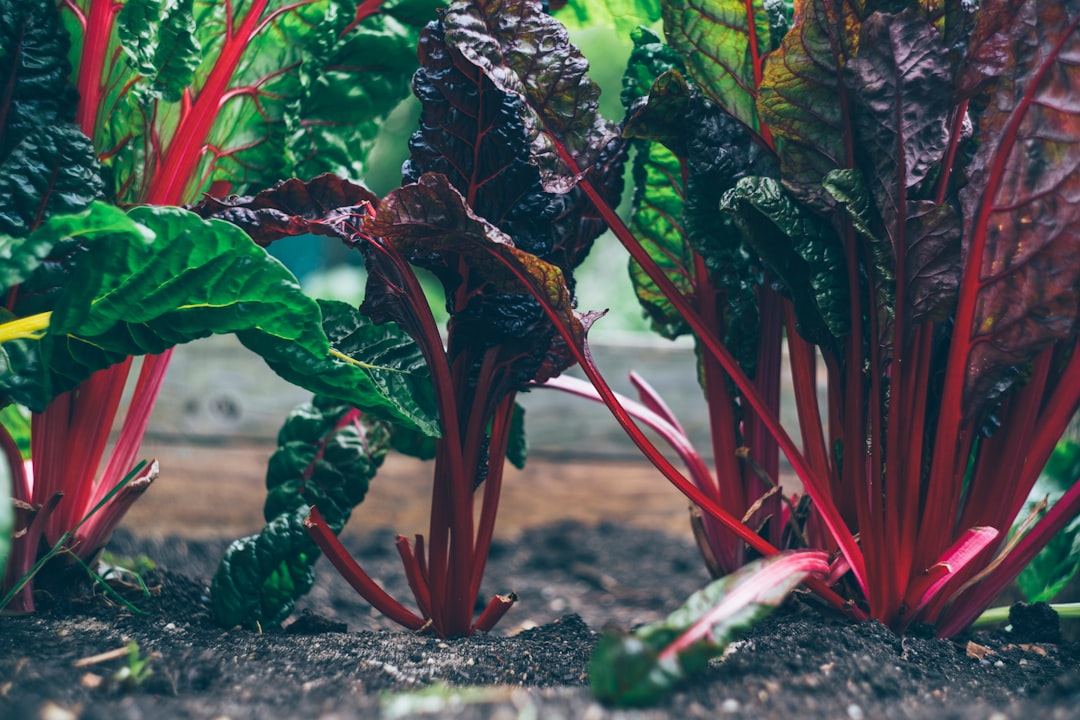
Isn’t gardening supposed to be the eco-friendly hobby? Mostly—but a garden can quietly generate a surprising amount of waste, from plastic pots to bagged soil to green waste hauled away. The good news is that nearly all of it is avoidable. Here are ten practical ways to cut waste in your garden and save money doing it.
From plastic seed trays to garden chemicals, disposable pots to wasted water, even the greenest thumbs sometimes leave a heavy environmental footprint without realizing it.
Fortunately, it doesn’t have to be that way.
With a few conscious choices, you can grow a thriving, beautiful garden while dramatically reducing your impact on the planet.
In this extended guide, we’ll walk through ten smart, accessible, and affordable ways to reduce waste in your garden—without sacrificing productivity or beauty.
Whether you’re just starting or have been gardening for years, these practices will help you build a more sustainable space from soil to harvest.
1. Swap Disposable for Reusable Plant Containers
One of the most common sources of waste in gardening is plastic—especially those flimsy seed trays and nursery pots that often get thrown out after a single use.
What to do instead:
- Save and sanitize nursery pots for reuse
- Use biodegradable pots made from coconut coir, newspaper, or peat
- Repurpose containers like yogurt cups, tin cans, egg cartons, or toilet paper rolls for seed starting
- Invest in durable, long-lasting pots made from ceramic, terracotta, or metal
Pro Tip: Mark your reused pots with chalk markers or paint pens for easy plant identification without plastic tags.
2. Make Your Own Compost Instead of Buying Fertilizer
Commercial fertilizers and soil amendments often come in plastic packaging and may include synthetic ingredients that aren’t great for long-term soil health.
Composting allows you to turn kitchen and yard waste into rich, homemade soil food—completely free.
What you can compost:
- Vegetable peels and fruit scraps
- Coffee grounds and paper filters
- Crushed eggshells
- Garden trimmings
- Dry leaves and paper shreds
Avoid meat, dairy, and oily foods.
Compost not only reduces your trash output but also enriches soil, improves structure, and supports a healthier root system.
3. Reuse Rainwater and Greywater
Tap water is a limited resource, and using it daily for garden irrigation can be both costly and wasteful.
Instead, collect and reuse:
- Rainwater: Use a barrel, large container, or repurposed jug connected to a gutter
- Greywater: Reuse clean water from rinsing vegetables, boiling pasta (unsalted), or unfinished glasses of water
Tip:
Always use greywater that’s free of harsh chemicals or detergents and rotate its use between different parts of the garden.
4. Recycle and Repurpose Garden Materials
Many items that would normally end up in the trash can be given a second life in your garden.
Try this:
- Use old wooden pallets as vertical gardens or compost bins
- Turn broken terra cotta pots into drainage layers or decorative mulch
- Repurpose fabric or clothes as weed barriers or plant ties
- Use worn-out kitchen tools as garden labels or soil diggers
By thinking creatively, you reduce your need to buy new materials while also cutting down waste.
5. Grow Perennials Instead of Annuals
Annual plants complete their life cycle in one season, which means you have to replant them every year. This can lead to excess seed use, packaging, and waste.
Perennials, on the other hand, come back year after year.
Some great edible perennials include:
- Chives
- Rhubarb
- Asparagus
- Sorrel
- Mint (best grown in containers to avoid spreading)
In flower gardens, consider lavender, echinacea, daylilies, or yarrow.
Perennials reduce both waste and workload—while often being more drought-resistant and pollinator-friendly.
6. Save Seeds and Take Cuttings
Why buy new seeds every year in plastic packets when your own plants can provide what you need?
How to reduce waste with propagation:
- Let herbs, flowers, and veggies go to seed
- Dry and label the seeds for next season
- Take cuttings from basil, mint, rosemary, succulents, or even tomatoes and root them in water
- Trade seeds and cuttings with neighbors or local gardeners
Seed saving and plant propagation are age-old techniques that are budget-friendly, sustainable, and empowering.
7. Avoid Single-Use Plastic Mulch and Weed Barriers
Plastic weed barriers often degrade in the sun, shedding microplastics into the soil and eventually ending up in landfills.
Instead, use natural, biodegradable materials:
- Grass clippings
- Leaves
- Wood chips
- Straw
- Newspaper or cardboard under a layer of mulch
These options not only block weeds but also add organic matter to the soil as they decompose.
8. Choose Natural Pest Control Methods
Chemical pesticides come in plastic bottles, harm beneficial insects, and contaminate the soil. Switching to natural solutions helps maintain a healthy garden ecosystem.
Try these options:
- Neem oil spray (organic and biodegradable)
- Soapy water for aphids
- Garlic and chili spray for deterrence
- Beer traps for slugs
- Encourage predators like ladybugs, birds, and frogs
You can even grow pest-repelling companion plants like marigolds, basil, and mint.
9. Shop Secondhand and Locally
Before you head to the garden center or online store, consider these more sustainable (and affordable) options:
- Visit local plant swaps or community gardens
- Check online marketplaces for used pots, tools, or compost bins
- Visit hardware thrift stores or reuse centers
- Buy from small, local nurseries that use minimal packaging
This not only cuts down on packaging waste and emissions but supports your local economy.
10. Plan Your Garden to Avoid Overplanting and Waste
One of the biggest hidden sources of garden waste is overplanting—starting too many seeds or planting crops you can’t realistically harvest.
Ways to plan more efficiently:
- Sketch your garden layout
- Use companion planting to maximize space
- Start small and grow only what you’ll use
- Preserve or share excess produce (freeze, dry, or donate)
- Rotate crops to improve soil without extra inputs
Being intentional helps reduce waste, save effort, and increase yield.
FAQs: Reducing Garden Waste Naturally
Is composting difficult for beginners?
Not at all. Start with a small pile or container. Stick to basic green (wet) and brown (dry) materials, and turn occasionally. Nature takes care of the rest.
Can I reuse potting soil?
Yes—with a few adjustments. Remove old roots, refresh with compost or worm castings, and mix well. Avoid reusing soil that had disease issues.
Are biodegradable seed pots better than plastic ones?
Yes. They break down into the soil, reducing waste and plastic use. You can even make your own from newspaper.
How can I reduce garden plastic?
Start by reusing containers, skipping synthetic weed barriers, and avoiding pre-packaged gardening kits. Choose metal, terracotta, or recycled materials.
What’s the easiest change to start with?
Composting food scraps and saving containers for seed starting are two simple but impactful changes almost anyone can make immediately.
Final Thoughts: A Greener Garden Starts With You
You don’t need to be zero-waste overnight. Sustainability in the garden is about consistent small choices that add up over time. Whether it’s reusing a yogurt cup as a seedling pot or setting up a rain barrel, every action moves your garden closer to being truly eco-friendly.
Not only will you reduce waste, but you’ll also grow smarter, save money, and feel more connected to the natural cycles of your plants.
Let your garden reflect not just beauty—but intention.
