
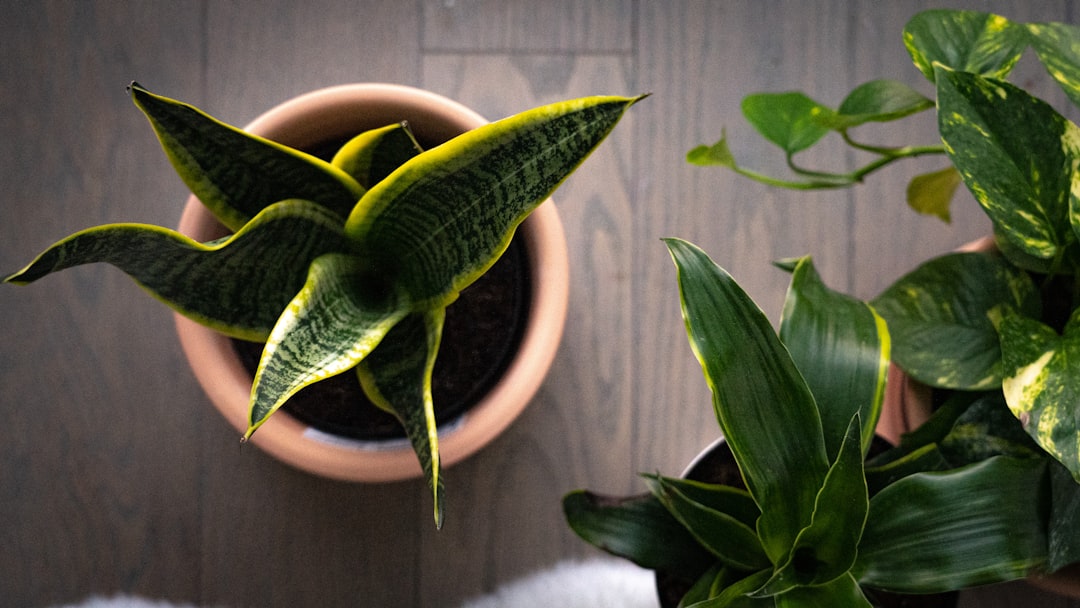
I keep a shelf of plants growing in old jam jars and pasta sauce containers, and visitors always assume I bought them that way. Glass jars make surprisingly elegant planters—free, endlessly available, and perfect for herbs, cuttings, and small plants. Here’s how to reuse jars and containers for a plant display that costs nothing.
That includes jars, cans, food containers, and all kinds of everyday packaging.
This extended guide will take you through everything you need to know about turning common household containers into charming, practical planters—while saving money and helping the planet at the same time.
Why Repurpose Instead of Buy?
Repurposing is more than a budget-friendly choice—it’s a mindset.
Every container you reuse is one less item going into the trash. That’s a win for your wallet and for the environment.
You also reduce demand for new plastic pots, many of which are not recyclable and eventually end up in landfills.
Reusing items also gives your space personality. Your planters will be one-of-a-kind, telling their own story through color, shape, and texture.
What Makes a Good Container?
Not every container is suitable for plant care, but you’d be surprised how many things work beautifully with a little creativity.
Here’s what to look for in a reusable planter:
- Material: Look for glass, metal, plastic, ceramic, or even wood
- Size: Make sure it fits the root system of the plant you intend to grow
- Durability: It should hold soil and water without breaking down quickly
- Cleanliness: Wash thoroughly to remove food residue, mold, or bacteria
If the container held food, it’s likely safe for plants after cleaning. But avoid anything that once stored chemicals or non-edible materials.
Popular Items You Can Reuse as Plant Pots
1. Glass Jars
Old pasta sauce jars, mason jars, or pickle jars work great for herbs, cuttings, and even succulents.
If they’re clear, you can see the roots grow—just be mindful of too much sunlight, which can overheat roots.
2. Tin Cans
Beans, corn, or soup cans make excellent mini planters. They’re lightweight and easy to decorate.
Be sure to sand down any sharp edges and punch drainage holes in the bottom with a nail and hammer.
3. Plastic Food Containers
Yogurt cups, takeout boxes, and ice cream tubs are perfect for seed starters or temporary homes for young plants.
They’re especially useful during propagation or when sharing plants with friends.
4. Ceramic Mugs or Bowls
Have a chipped mug or one that doesn’t match your kitchen anymore? It can easily become a cute planter.
If it doesn’t have drainage, consider adding pebbles at the bottom or drilling a small hole.
5. Tetra Pak Cartons
Cut the top off and use the bottom as a lightweight, waterproof planter. Great for kids’ planting projects!
They’re also biodegradable over time, making them a low-impact option.
6. Tea Tins or Candle Jars
These stylish, often vintage-looking containers are ideal for desk plants or windowsill herbs.
Their compact size makes them perfect for small plants like succulents or air plants.
How to Prepare Containers for Use
Before planting, every reused container needs a bit of prep. This helps avoid mold, pests, or rot.
Step 1: Wash Thoroughly
Remove all labels, food residue, or leftover oils. Use hot water and mild soap.
For stubborn glue or grease, soak in water overnight or rub with vinegar and baking soda.
Step 2: Check for Rust or Cracks
If you’re using metal, check for rust. For ceramic or glass, inspect for hairline cracks.
Avoid anything that looks unstable or could break easily under the weight of soil and water.
Step 3: Add Drainage
Plants hate soggy roots. Here’s how to help:
- Drill holes if possible (bottom of metal or plastic containers)
- Layer stones or gravel if you can’t drill
- Use inner pots with drainage and place them inside your reused container
- Repurpose coffee filters to keep soil from leaking while allowing drainage
Decorating Your Upcycled Planters
Turning trash into treasure can be surprisingly fun.
Here are some simple and inexpensive decoration ideas:
– Paint Them
Use acrylic paint or spray paint to give your containers a fresh look. Go for pastels, bold colors, or earthy tones—whatever fits your space.
– Wrap with Fabric or Twine
Old scarves, jeans, or fabric scraps can be glued around containers for a cozy look. Jute rope adds a rustic, farmhouse feel.
– Add Chalkboard Labels
Paint a section with chalkboard paint and label each pot. Perfect for herbs or learning plant names.
– Use Stickers, Stamps, or Paper Cutouts
Decoupage allows you to create patterns using recycled paper, old book pages, or even wallpaper leftovers.
Best Plants for Reused Containers
Certain plants thrive in small or unconventional pots.
Here’s a list of low-maintenance plants that work great in reused containers:
- Succulents – Love shallow containers with good drainage
- Cacti – Ideal for ceramic mugs and glass jars
- Spider Plant Babies – Great for tin cans or yogurt cups
- Basil, Mint, or Parsley – Perfect for kitchen jars near windows
- Pothos or Ivy Cuttings – Thrive in water-filled jars
- Snake Plant Pups – Can handle small planters during early growth
- Air Plants – Don’t need soil at all—just display creatively
Choose slow-growing or small-rooted plants so they remain happy in limited space.
Creative Display Ideas
Reused pots don’t need to stay on the windowsill. Here are fun ways to arrange them:
– Create a Shelf Garden
Line up your repurposed pots on wall-mounted shelves for a vertical indoor garden.
– Hang from the Ceiling
Macramé hangers or repurposed wire baskets add height and variety.
– Use a Wooden Crate or Tray
Group several small jars inside a crate to create a themed planter box. Great as a centerpiece.
– Mount on the Wall
Nail or clip containers to a pallet board for a rustic wall garden.
– Line a Windowsill
Use matching glass jars or cups to create a clean, minimalist row of greenery.
Tips for Long-Term Success
- Don’t overwater—containers without drainage need extra care
- Add activated charcoal to the bottom to control odor and bacteria
- Clean outer containers monthly to prevent buildup or mold
- Rotate plants occasionally for even growth
- Re-pot when roots outgrow the container
Make It a Family or Community Activity
This project is perfect for teaching kids about sustainability.
Let them choose and decorate their own pots, then pick a seed or plant to grow.
It also works for schools, community gardens, and senior centers—turning trash into growth brings people together.
Sustainable Gardening Starts at Home
By repurposing containers, you’re not just saving money—you’re building a habit of mindful consumption.
Each reused item reduces waste and supports a more circular lifestyle.
You’ll find yourself looking at “trash” differently and feeling proud every time a seedling sprouts from a jar you saved.
Final Thoughts: Beauty Grows from Simplicity
You don’t need expensive pots or perfect materials to grow something beautiful.
All it takes is a little creativity, a touch of care, and a commitment to reusing what you already have.
So the next time you finish a jar of olives or a tin of beans, pause before throwing it out.
That container might be your next favorite planter—and a small, green step toward a better world.
