
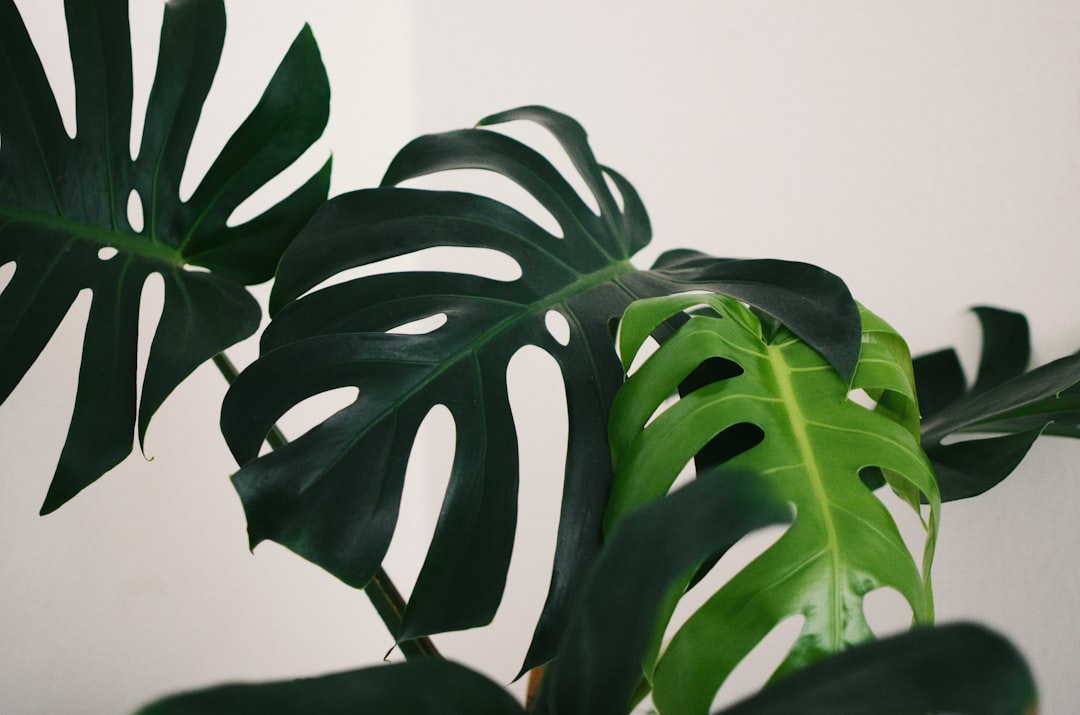
Most “easy houseplants for beginners” lists are really just ten plants with a paragraph each—no help when you’re standing in the shop trying to figure out which one won’t die in your specific apartment. So this guide is built differently. First the ten plants in a table you can actually compare at a glance, then a short “pick yours by your situation” section, because the right first plant depends far more on your conditions than on the plant being “easy.”
One thing I wish someone had told me before my cat chewed a peace lily: “beginner-friendly” and “safe around pets” are not the same list. That column is in the table below, cross-checked against the ASPCA toxic and non-toxic plant database.
The 10 plants, compared side by side
| Plant | Light | Water | Pet-safe? | Typical price | Free to propagate? |
|---|---|---|---|---|---|
| Snake plant | Low–bright | Every 2–3 wks | No (toxic) | $8–15 | Yes (leaf/division) |
| Pothos | Low–medium | Weekly-ish | No (toxic) | $6–12 | Yes (cuttings in water) |
| ZZ plant | Low–medium | Every 2–3 wks | No (toxic) | $10–18 | Slow (division) |
| Spider plant | Medium–bright | Weekly | Yes | $6–12 | Yes (plantlets) |
| Aloe vera | Bright | Every 2–3 wks | No (toxic) | $6–14 | Yes (offsets) |
| Peace lily | Low–medium | Weekly | No (toxic) | $10–18 | Yes (division) |
| Jade plant | Bright | Every 2–3 wks | No (toxic) | $8–15 | Yes (leaf/stem) |
| Chinese evergreen | Low–medium | Weekly-ish | No (toxic) | $10–20 | Yes (division) |
| Lucky bamboo | Medium | Water only | No (toxic) | $5–12 | Yes (cuttings) |
| Cast iron plant | Low | Every 1–2 wks | Yes | $12–25 | Slow (division) |
Two quick reads of that table: if you have cats or dogs that chew, your realistic shortlist is spider plant and cast iron plant—the rest can cause mouth irritation or vomiting. And if “free plants” appeals to you, almost everything here except ZZ and cast iron roots easily from a cutting, so one $8 pothos can become five.
Pick yours by your situation (not by the label)
- Dark apartment, north window: ZZ plant or cast iron plant. They tolerate genuinely low light where a snake plant will merely survive.
- You forget to water for weeks: Snake plant, ZZ, or jade—all store water and prefer neglect over fussing.
- You have curious pets: Spider plant or cast iron plant, full stop.
- You want to make more plants for free: Pothos or spider plant—cuttings and plantlets root in a glass of water in 1–2 weeks.
- Bright, sunny sill: Aloe or jade will actually thrive rather than just cope.
The one skill that keeps all ten alive: watering by weight, not schedule
Overwatering kills more beginner houseplants than any pest. The fix isn’t a calendar—it’s your hands. Lift the pot right after watering so you learn what “full” feels like, then lift it again before watering. If it’s still heavy, wait. For every plant in the table above, “the soil is dry a couple of centimeters down and the pot feels light” beats any fixed weekly routine. This single habit is why the same pothos thrives on one person’s shelf and rots on another’s.
The mistake that kills each of these (they don’t all die the same way)
“Easy” doesn’t mean “unkillable”—it means forgiving of one specific thing. Knowing each plant’s actual failure mode is worth more than any care chart:
- Snake plant & ZZ: die from love, not neglect. Overwatering rots them from the base. If in doubt, don’t water.
- Pothos & peace lily: the opposite—they droop dramatically when thirsty but recover in hours. Let the drama be your reminder, not a crisis.
- Aloe & jade: stretch and get leggy in low light. They need a genuinely bright sill or they slowly weaken.
- Spider plant: gets brown leaf tips from fluoride/chlorine in tap water. Let water sit overnight before using, or use filtered.
- Lucky bamboo: yellows if left in the same stale water. Refresh it every 1–2 weeks and keep the roots covered.
Turn one plant into five (free propagation)
The cheapest way to fill a home with greenery is to multiply what you already have. For pothos, spider plants, and lucky bamboo, it takes about five minutes:
- Pothos: cut a stem just below a “node” (the little brown bump where a leaf meets the stem), drop it in a glass of water, and keep it in bright indirect light. Roots appear in 1–2 weeks; pot it up once they’re a few centimeters long.
- Spider plant: the baby “spiderettes” dangling off the mother plant can be snipped and set in water or straight into moist soil—they root almost eagerly.
- Snake plant & jade: even a single leaf, left to callus for a day then set in soil, will slowly grow a whole new plant. It’s slower, but it’s free.
Propagating is also the best insurance policy: if a parent plant ever gets sick, you’ll already have backups growing on the windowsill.
Where to get them cheaply
Prices in the table are typical retail, but you rarely need to pay them. The cheapest routes, in order: a cutting from a friend (free), a local plant-swap group (free–$2), the “distressed plant” clearance shelf at a garden center (50–75% off, and most just need repotting), then big-box hardware stores, which undercut boutique plant shops on the exact same species.
What’s the single easiest plant to start with?
Pothos, if you have no pets—it visibly wilts when thirsty (so it tells you when to water) and bounces back within hours. If you have pets, start with a spider plant for the same forgiving, communicative behavior without the toxicity.
How do I know if I’m overwatering?
Yellowing lower leaves, a soft mushy stem base, gnats hovering, or soil that stays wet for more than a week are all overwatering signals. Underwatered plants, by contrast, go crispy and light-brown at the edges. When unsure, wait—almost every plant here recovers from thirst faster than from rot.
