
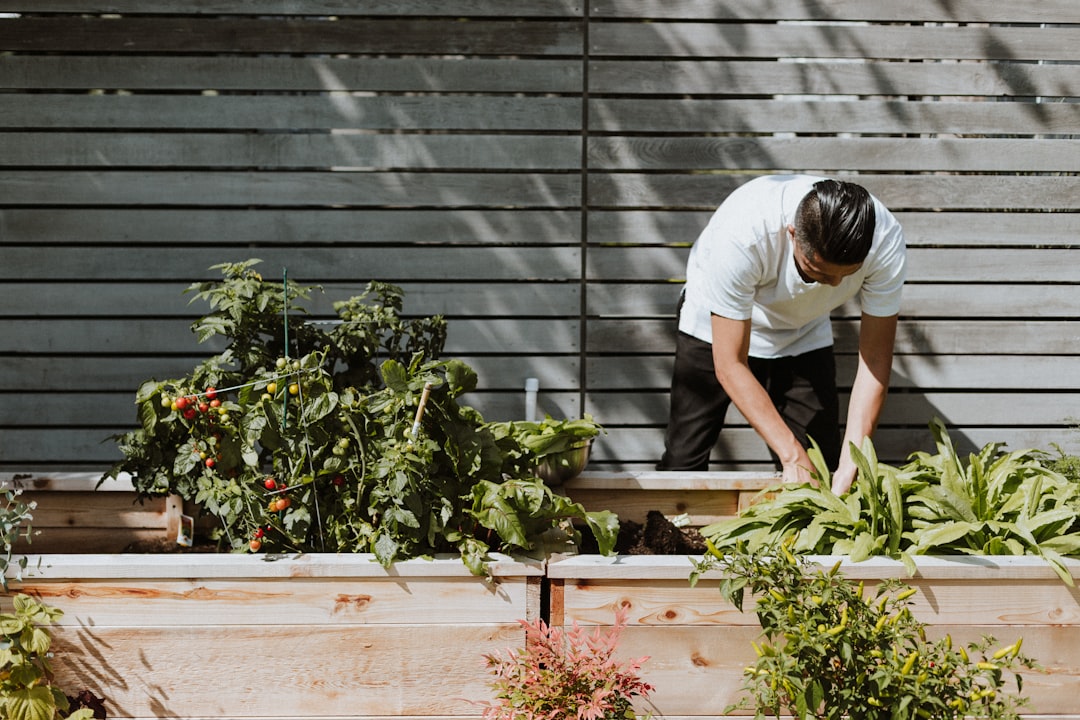
The summer I added a single window box of oregano, borage, and marigolds to my third-floor balcony, something surprising happened within a couple of weeks: bees showed up.
Real, fuzzy, hardworking bees, four floors up in the middle of a city. It taught me that pollinators aren’t looking for acreage—they’re looking for flowers and a safe place to land.
Even a balcony, a fire escape, or a strip of pavement-side soil can become a genuine pit stop for bees, butterflies, and hoverflies, and in return they’ll pollinate your tomatoes, cucumbers, and peppers into a real harvest.
Why a tiny space still matters
Cities are surprisingly good pollinator habitat when they have flowers, because the food is patchy and every garden fills a gap.
A cluster of pots on a balcony acts like a stepping stone in a network of green spaces across the city.
You’re not just decorating—you’re feeding insects whose populations are under real pressure, and they pay you back directly: most fruiting vegetables need pollinators to set fruit at all.
Plant the flowers they actually want
The biggest mistake is planting showy flowers bred for looks that offer little nectar. Pollinators want simple, open, single flowers—not the frilly double blooms where the pollen has been bred away.
Here’s what works in containers:
| For bees | For butterflies | Double-duty herbs |
|---|---|---|
| Borage, lavender, salvia | Zinnia, cosmos, verbena | Oregano (let it flower) |
| Crocus (early spring food) | Marigold, sunflower | Thyme and mint in bloom |
| Single-flower dahlias | Butterfly-friendly milkweed | Basil left to bolt |
The rule that matters most: bloom all season
Here’s the detail that separates a garden pollinators visit once from one they live around: aim for something in flower from early spring through late fall, not a single big burst in July.
Pollinators need food across the whole season—early crocus for the first bees emerging, mid-summer zinnias and lavender, and late-blooming asters or sedum to fuel them before winter.
Even in a few pots, stagger your plants so there’s always a flower open. That continuity is worth more than sheer quantity.
Give them water and shelter too
- A shallow water dish with pebbles. Bees drown in open water—add stones or marbles as landing pads so they can drink safely.
- A sunny, sheltered spot. Pollinators are most active in warm sun and struggle in constant wind. A balcony corner out of the gusts is perfect.
- A patch of “mess.” A small bundle of hollow stems, a bee hotel, or an undisturbed corner gives solitary bees somewhere to nest.
A simple season-long bloom plan for pots
You don’t need a big garden to keep something flowering all season—just a few well-chosen pots timed to overlap. Here’s a starter plan that fits a balcony or a sunny step:
| Season | Plant in a pot | Who it feeds |
|---|---|---|
| Early spring | Crocus, grape hyacinth | The first bees emerging hungry |
| Early summer | Lavender, borage, salvia | Bees at peak activity |
| Mid–late summer | Zinnia, cosmos, marigold | Butterflies and bees |
| Autumn | Sedum, aster | Late food before winter |
Native plants pull the most weight
If you only have room for a few pots, lean toward plants native to your region. Local pollinators evolved alongside them, so they recognize and use them far more readily than exotic ornamentals.
Native flowers also tend to be tougher and lower-maintenance in your climate, which matters on a hot, exposed balcony.
A quick search for “native pollinator plants” plus your area will turn up a shortlist worth building around—you’ll often draw specialist bees that ignore the showier imported blooms entirely.
Mistakes to avoid
- Using any pesticide. This is the big one—even “organic” sprays kill bees. If you want pollinators, you can’t spray the flowers they land on.
- Planting only double-flowered ornamentals. They look lush but offer little accessible nectar or pollen. Include simple, single blooms.
- One-season planting. A July-only garden goes quiet the rest of the year. Stagger bloom times.
- Open water with no landing spot. A steep-sided dish drowns the very insects you’re trying to help.
Start with just two or three of the plants above in whatever pots you have, skip the sprays entirely, and you’ll likely see visitors within weeks.
Build a simple bee water station
Pollinators need water as much as nectar, and a safe drinking spot keeps them coming back all season. It takes two minutes to make.
Fill a shallow dish or saucer with pebbles, marbles, or glass beads, then add water until it just covers the bottom of the stones, leaving dry landing spots on top.
Bees can’t swim—they drown in open water—so those stones are their landing pads to drink safely. Refresh the water every couple of days so it stays clean and doesn’t breed mosquitoes.
One more free habitat tip: leave a small “messy” corner over winter. Hollow stems, seed heads, and a little leaf litter give solitary bees and other beneficial insects somewhere to shelter and nest, so your garden supports them year-round rather than just in summer.
The colors and shapes they notice
You can stack the odds by planting what pollinators are wired to see. Bees are drawn most to blue, purple, and yellow flowers, and can’t even see red the way we do.
Butterflies love bright reds, oranges, and pinks, and need flat, open blooms like zinnias and daisies they can land on to feed.
Mixing both palettes and flower shapes across your pots casts the widest net, pulling in bees, butterflies, and hoverflies alike.
For a deeper reference on choosing pollinator plants and building habitat in small spaces, the National Wildlife Federation has a free, practical guide.
Will attracting bees make my balcony a sting risk?
Very unlikely. Foraging bees and butterflies are focused entirely on flowers and have no interest in people—stings almost always happen near a nest, not at a flower.
You can garden right alongside them safely. If anyone in the household has a serious allergy, simply place the pots a little away from seating and doorways.
What if I only have shade?
Most classic pollinator flowers want sun, but shade isn’t hopeless—try shade-tolerant bloomers like astilbe, foxglove, or flowering herbs such as chives and mint.
You’ll attract fewer sun-loving butterflies but can still draw bees and hoverflies to a partly shaded balcony.
