
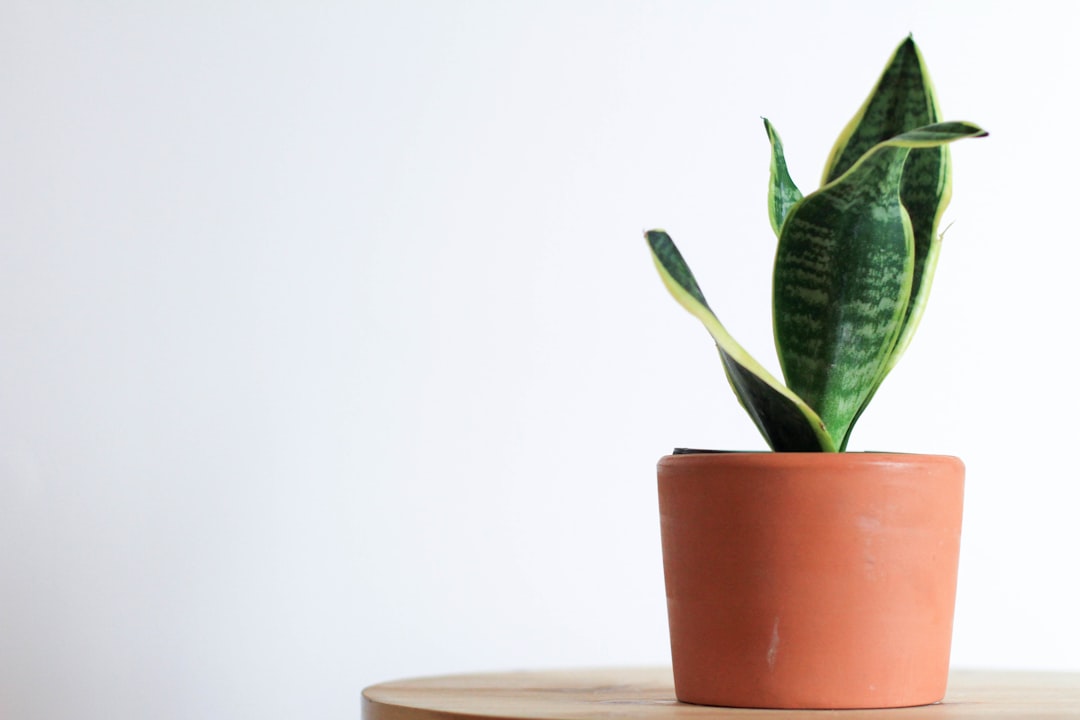
Here’s the mistake I made for my first two years of growing houseplants: I kept buying “grow lights” without ever knowing how much light my plants were actually getting. I’d move a pothos to a brighter shelf, cross my fingers, and hope. Some plants thrived, most just… survived.
The fix wasn’t spending more money. It was understanding two numbers most beginner guides never mention—and once I did, a $9 bulb outperformed a $40 panel I’d been babying. This guide walks you through exactly that: how to measure what your space gives you, what to buy for your situation, and how to size a light without guessing.
The two numbers that actually matter (and why lumens isn’t one of them)
Almost every lighting guide tells you to chase lumens. But lumens measure brightness as the human eye sees it—weighted toward the green wavelengths our eyes are most sensitive to. Plants don’t photosynthesize with “brightness.” They use specific red and blue wavelengths your eye barely registers. That’s why a lamp can look blazing bright to you and still starve a plant.
The two numbers that map to real plant growth are:
- PPFD (Photosynthetic Photon Flux Density) — how many usable light particles hit a given spot each second, measured in µmol/m²/s. Think of it as the intensity reaching the leaf.
- DLI (Daily Light Integral) — the total usable light a plant receives over a full day, measured in mol/m²/day. It’s PPFD multiplied by how many hours the light is on. Think of it as the daily meal.
Here’s the part that makes it practical. According to horticulture guidance from university extension programs (see the Michigan State University Extension resource on measuring Daily Light Integral), most common houseplants fall into these DLI targets:
- Low-light plants (ZZ, snake plant, pothos): 2–6 mol/m²/day
- Medium-light plants (peace lily, calathea, most aroids): 6–12 mol/m²/day
- High-light plants (herbs, succulents, citrus, most flowering plants): 12–20+ mol/m²/day
You don’t need a lab. A free phone app like Photone (or a $25 basic light meter) reads PPFD in seconds, and the math to turn it into DLI is one line—which is exactly what the next section does.
Size your light in 3 steps (worked example)
This is the framework I now use before buying anything. It takes about five minutes.
Step 1 — Measure what you already have. Put your phone/meter at leaf height at midday and read the PPFD. Say your east-facing shelf reads 80 µmol/m²/s for about 5 hours of usable daylight.
Step 2 — Convert to DLI. The formula is simple:
DLI = PPFD × hours × 3600 ÷ 1,000,000
So: 80 × 5 × 3600 ÷ 1,000,000 = 1.44 mol/m²/day. That’s below even the low-light minimum—which explains why a pothos there would slowly stretch and fade.
Step 3 — Fill the gap. To get a low-light plant to a comfortable ~4 mol/m²/day, you need to add roughly 2.6 mol. A single daylight LED bulb delivering ~150 PPFD at the leaf, run 10 hours, adds 150 × 10 × 3600 ÷ 1,000,000 = 5.4 mol—more than enough, with headroom for a medium-light plant. That’s why the cheap bulb wins: matched to the target, it does the job the expensive panel was overkill (or wrongly aimed) for.
What to actually buy, compared side by side
Every option below works—the question is which fits your space and budget. Prices are typical 2026 US retail; distances are the sweet spot I’ve landed on after killing a few leaves testing too-close setups.
| Option | Typical price | Covers | Distance to leaf | Best for |
|---|---|---|---|---|
| Daylight LED bulb (5000–6500K) in a clamp lamp | $8–12 | 1 plant | 20–30 cm | A single struggling plant, winter support |
| T5 fluorescent tube | $15–30 | A shelf (~60 cm) | 15–25 cm | Seed starting, long shelves |
| LED grow panel (full-spectrum) | $20–40 | 2–4 plants | 25–40 cm | A plant cluster, ready-made setup |
| Reflectors + film (mirrors/mylar) | $0–10 | Boosts existing light | — | Renters, low-electricity boost |
Two things the product listings won’t tell you: skip anything labeled “incandescent grow bulb” (they waste most of their energy as heat and barely move DLI), and pink/purple panels aren’t superior—white full-spectrum LEDs hit the same wavelengths and let you actually see your plants’ true color to spot problems early.
How long to run the light (and the one setting people forget)
Most houseplants do well with 10–14 hours of supplemental light—but the number matters less than consistency. Plants read day length; erratic timing stresses them more than a slightly short day. A $10 outlet timer solves this and is the single cheapest upgrade you can make.
Running lights 24/7 doesn’t speed growth—plants use the dark period to move sugars and reset. The one setting people forget: as winter shortens your natural daylight, your supplemental hours should lengthen to keep DLI steady. If your November shelf reads half its July PPFD, add a couple hours to the timer rather than buying a brighter light.
A quick reality check before you spend anything
If you take one thing from this: measure first. The single most common (and expensive) mistake is buying a bigger light for a plant that just needed to move 30 cm closer to the window—or a light-hungry plant you’re keeping alive in a spot no bulb will fix cheaply. Match the number to the plant, and a $9 bulb will outperform gear costing five times as much.
Can I really just use a regular lamp?
Yes—swap the bulb for a daylight LED (5000–6500K) and position it by the numbers above. The fixture doesn’t matter; the light reaching the leaf does.
Will grow lights spike my electricity bill?
Barely. A 20-watt LED run 12 hours a day uses about 0.24 kWh—roughly 3–4 cents at average US rates, or under $1.20 a month.
