
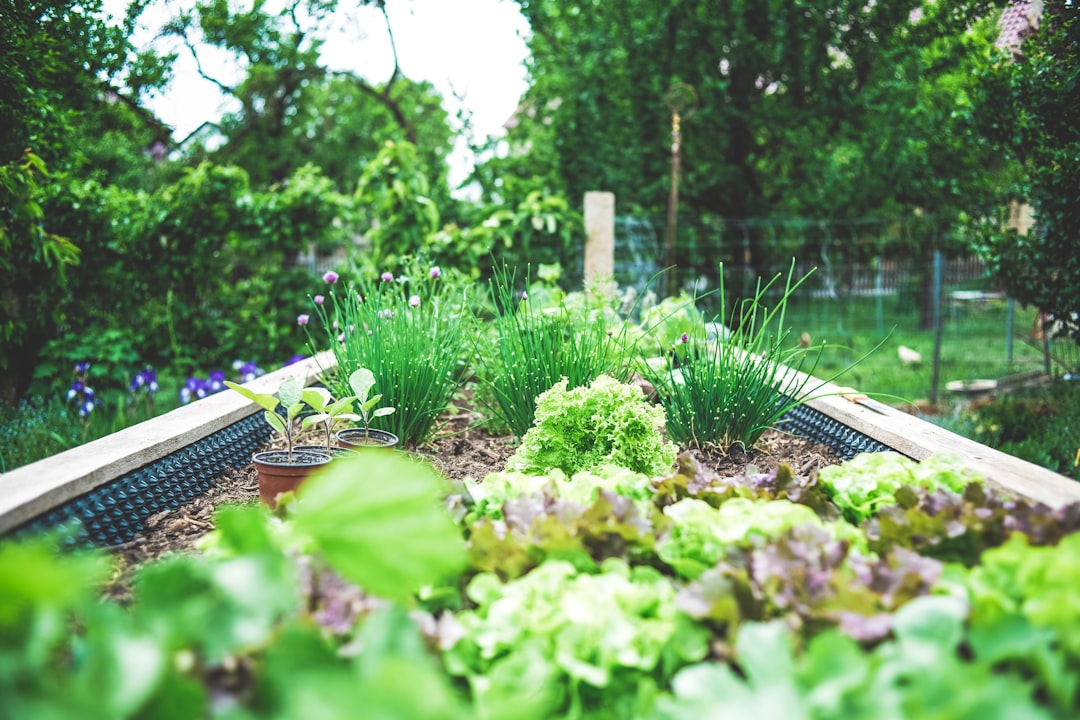
What if the most tiring job in the garden—digging and turning the soil every season—wasn’t just unnecessary, but actually working against you?
That’s the claim behind no-dig gardening, a method that’s gone from fringe to mainstream because gardeners keep finding it grows healthier plants with a fraction of the labor.
Instead of breaking your back with a spade each spring, you feed the soil from the top and let the worms do the digging. Here’s how it works and why it’s caught on.
The idea in one sentence
No-dig gardening means you never turn or till the soil—instead, you add a layer of compost on top each year and let soil life pull it down. The soil beneath stays undisturbed, building a stable structure over time.
You plant directly into the compost layer, and the ecosystem underneath does the cultivating for you.
Why disturbing soil backfires
Digging feels productive, but underground it’s disruptive. Soil is a living network—fungal threads, worm channels, and billions of microbes—that plants depend on.
Here’s what a spade does to that network:
| What digging does | Why it hurts the garden |
|---|---|
| Shreds fungal networks | Plants lose the partners that feed them nutrients |
| Brings buried weed seeds to the surface | Light triggers them to germinate—more weeds, not fewer |
| Breaks up worm channels | Loses natural drainage and aeration |
| Releases stored carbon | Exposed soil dries and loses organic matter |
How to start a no-dig bed
- Don’t clear the ground first. Even over grass or weeds, you can start right on top—no digging required.
- Lay cardboard over the area. Plain brown cardboard (tape and labels removed) smothers the grass and weeds beneath and breaks down naturally.
- Pile 3–4 inches of compost on top. This is your growing layer—plant straight into it.
- Plant immediately. Seedlings go right into the compost; for seeds, add a finer layer on top. The cardboard softens and roots grow straight through into the soil below.
- Top up with compost once a year. That annual layer is the entire maintenance routine.
The payoff that keeps people hooked: fewer weeds
This is the benefit that turns skeptics into believers.
Because you’re never turning the soil, you stop dredging up the buried weed seeds that digging constantly brings to the surface. The seed bank down below stays dormant in the dark, and the few weeds that do blow in land in loose compost and pull out with two fingers.
Most no-dig gardeners report their weeding time drops dramatically after the first year—it’s less work that compounds over time, not more.
What to expect, year by year
No-dig rewards patience, and knowing the arc keeps you from judging it too early. Here’s the realistic progression most gardeners see:
| Stage | What’s happening |
|---|---|
| Year 1 | Good harvests already; some weeds push through as the cardboard breaks down |
| Year 2 | Weeds drop off sharply; soil is visibly darker and more crumbly |
| Year 3+ | Rich, spongy soil that needs little more than the annual compost top-up |
No-dig in a small or urban space
You don’t need a plot to do this. The exact same method works on a balcony or patio using large containers, grow bags, or a single raised bed.
Lay a thin cardboard or paper base, fill with compost, plant into the top, and top up each year instead of emptying and refilling the container.
Because you’re never turning the soil, the structure and the soil life build up over seasons even in a pot—so your containers actually get more productive with age rather than getting tired and needing a full soil change.
Mistakes to avoid
- Skipping the cardboard on weedy ground. Without that light-blocking layer, tough perennial weeds push right up through the compost.
- Using too little compost. A thin scatter lets weeds through and starves plants. Go a full 3–4 inches to start.
- Walking on the beds. Compaction is the enemy of no-dig. Keep paths separate and reach in from the sides.
- Expecting instant perfection. The soil structure improves year on year—the second and third seasons are noticeably better than the first.
No-dig is also gentler on your back, your time, and the climate, since undisturbed soil holds more carbon and moisture. It rewards patience with a bed that gets easier and more productive every season.
What to use when you can’t get compost
No-dig runs on organic matter added from the top, and compost is the classic choice—but it’s far from the only one. If buying compost in bulk is a stretch, several free or cheap materials do the job:
- Leaf mould: rotted-down autumn leaves, gathered free and piled for a year, make superb soil-improving material.
- Grass clippings: in thin layers, they add nitrogen and break down fast.
- Well-rotted manure: often free from local stables, it’s rich and improves structure.
- Municipal green-waste compost: many councils sell it cheaply by the bag or load.
The smart long game is to build your own supply: start a compost heap and a leaf-mould pile now, and within a year or two you’re feeding your no-dig beds for nothing.
Will you still have to weed?
Yes—but far less, and far more easily. No-dig doesn’t end weeding, it shrinks it to a minor job.
Because you never turn the soil, you stop bringing buried weed seeds up to the light, so fewer germinate. The ones that do blow in land in loose compost and lift out with two fingers, roots and all.
After the first year, most no-dig gardeners spend a fraction of the time weeding they used to—it’s one of the method’s most loved payoffs.
For a well-regarded free guide on the method and how to set beds up, the Royal Horticultural Society has a thorough reference.
Where do I get enough compost for no-dig?
This is the honest catch—no-dig relies on a steady compost supply, which can mean buying it in bulk at first.
Over time, home composting, municipal green-waste compost, and well-rotted manure fill the gap far more cheaply than bagged product. Many gardeners build their own composting system precisely to feed their no-dig beds.
Does no-dig work in raised beds and containers?
Yes—raised beds are a natural fit, since you’re already adding material from the top and rarely walking on them. Just top up with compost each year instead of emptying and refilling.
The same principle of not disturbing the soil structure applies.
