
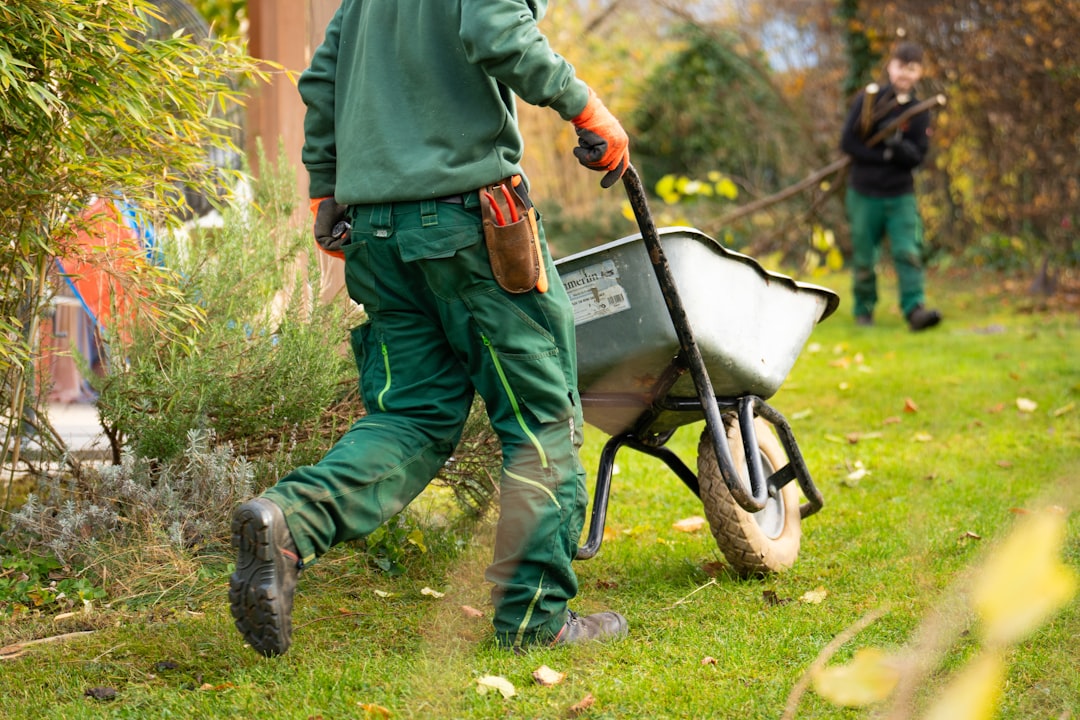
I have a pair of pruning shears that I bought almost eight years ago. They still cut clean, smooth, and sharp, which honestly surprises most people when I mention it, since garden tools usually get replaced far more often than that.
The secret isn’t anything special, just consistent, basic maintenance that takes barely any time but makes a massive difference over the years.
For a long time, I treated tools as disposable, just buying new ones whenever the old set got dull or rusty. That habit cost me more money than I’d like to admit, and honestly, it was completely unnecessary.
This article covers the simple habits that keep tools functional for years instead of months, without requiring any special skills or expensive equipment.
Why tool maintenance actually matters
It’s tempting to think of tool care as an optional extra, something nice to do if you have spare time, but not essential. In reality, it directly affects how well your tools perform and how long they last.
Dirty blades crush plant tissue rather than cutting cleanly, creating ragged wounds on plants that heal slowly and become more susceptible to disease. Rusted metal becomes weaker over time and eventually fails to hold an edge no matter how much you sharpen it.
Beyond performance, neglected tools can actually spread disease between plants, since pathogens and fungal spores cling to dirty surfaces and transfer easily during use.
Cleaning after every single use
This is the single habit that makes the biggest difference, and it takes maybe thirty seconds per tool.
After using shears, pruners, or trowels, wiping off visible dirt and plant residue prevents buildup that eventually becomes much harder to remove. A simple cloth or rag does the job for most light cleaning.
For sap buildup, particularly common with pruning shears used on certain plants, a bit of rubbing alcohol on a cloth cuts through sticky residue far more effectively than water alone.
Soil-covered tools like trowels and spades benefit from a quick rinse with water, followed by thorough drying before storage, since leaving moisture on metal surfaces invites rust almost immediately.
Sharpening blades regularly
Dull blades make every cutting task harder, slower, and ultimately more damaging to whatever you’re trimming.
A basic sharpening stone or file, available cheaply at most hardware stores, handles most pruning shears and similar tools effectively. Running the blade across the stone at a consistent angle, following the existing bevel, restores a sharp edge within just a few minutes.
For larger tools like loppers or hedge shears, the same basic principle applies, though it might take slightly longer given the larger blade surface.
I sharpen my most frequently used tools every few weeks during active growing seasons, and noticeably less often during slower winter months when they’re barely used at all.
Preventing and removing rust
Rust is probably the biggest long-term threat to most garden tools, especially anything left outdoors or stored improperly.
Prevention matters more than removal here. Drying tools thoroughly after cleaning, before storing them, prevents most rust from forming in the first place. A light coat of oil on metal surfaces, especially before extended storage periods like winter, creates a protective barrier against moisture.
For tools that have already developed light surface rust, a simple mixture of steel wool or sandpaper, combined with a bit of elbow grease, removes most surface corrosion effectively. Following up with oil afterward prevents it from returning quickly.
Caring for wooden handles
Wooden handles need attention too, something I genuinely overlooked for years until a few cracked unexpectedly during use.
Periodically checking handles for splinters, cracks, or looseness where they connect to the metal head prevents sudden failures during use, which can be both frustrating and occasionally dangerous.
Rubbing a small amount of linseed oil into wooden handles every few months keeps the wood from drying out and cracking, particularly important for tools stored in environments with significant temperature or humidity swings.
Storing tools properly between uses
How you store tools between gardening sessions matters significantly, even though it’s easy to just toss everything into a bucket or corner of the shed without much thought.
Hanging tools rather than leaving them on the ground prevents unnecessary moisture contact and accidental damage from being stepped on or knocked around.
A simple pegboard or wall-mounted rack in your shed or garage keeps tools organized, easily accessible, and off potentially damp surfaces.
For tools used seasonally, like certain pruning equipment only needed during specific times of year, storing them indoors during their off-season, away from extreme temperature swings, helps preserve both metal and wooden components.
Maintaining power tools differently
If you use any powered garden equipment, like trimmers or small power tools, maintenance needs shift slightly compared to basic hand tools.
Following manufacturer guidelines for cleaning and lubrication becomes more important here, since these tools have additional mechanical components that basic hand tools don’t.
Regularly checking and cleaning air filters, where applicable, and ensuring blades remain sharp and properly aligned keeps powered equipment running efficiently and prevents unnecessary strain on the motor.
A simple seasonal maintenance routine
Rather than treating tool care as something you remember randomly, building it into your seasonal routine ensures consistency without requiring constant thought.
At the start of each growing season, I personally do a thorough check, sharpening anything that’s gotten dull over winter and oiling any wooden handles that look a bit dry.
Throughout the season, quick cleaning after each use handles most ongoing maintenance needs without much additional effort.
At the end of the season, before winter storage, a more thorough cleaning, sharpening, and oiling session prepares tools to sit unused for several months without deteriorating.
Recognizing when replacement actually makes sense
Maintenance extends tool life significantly, but it doesn’t make tools last forever. Eventually, some replacement becomes genuinely necessary.
Metal that’s developed deep, widespread rust, beyond what surface cleaning can address, often weakens the tool’s structural integrity in ways that maintenance alone can’t fix.
Handles with significant cracking, especially anywhere near the connection point with the metal head, become safety concerns rather than just cosmetic issues, and usually warrant replacement rather than continued use.
Knowing the difference between a tool that needs maintenance versus one that’s genuinely reached the end of its usable life prevents both unnecessary spending and unsafe continued use.
Final thoughts
Tool maintenance might be one of the least exciting parts of gardening, but it’s also one of the most directly tied to long-term savings and consistently good results.
A few minutes of cleaning after each use, periodic sharpening, and proper storage between seasons extends the life of most garden tools far beyond what people typically expect.
Start with the basics, wipe down tools after use, sharpen blades periodically, and store everything properly, and you’ll likely find your tools lasting years longer than you initially assumed possible.
