
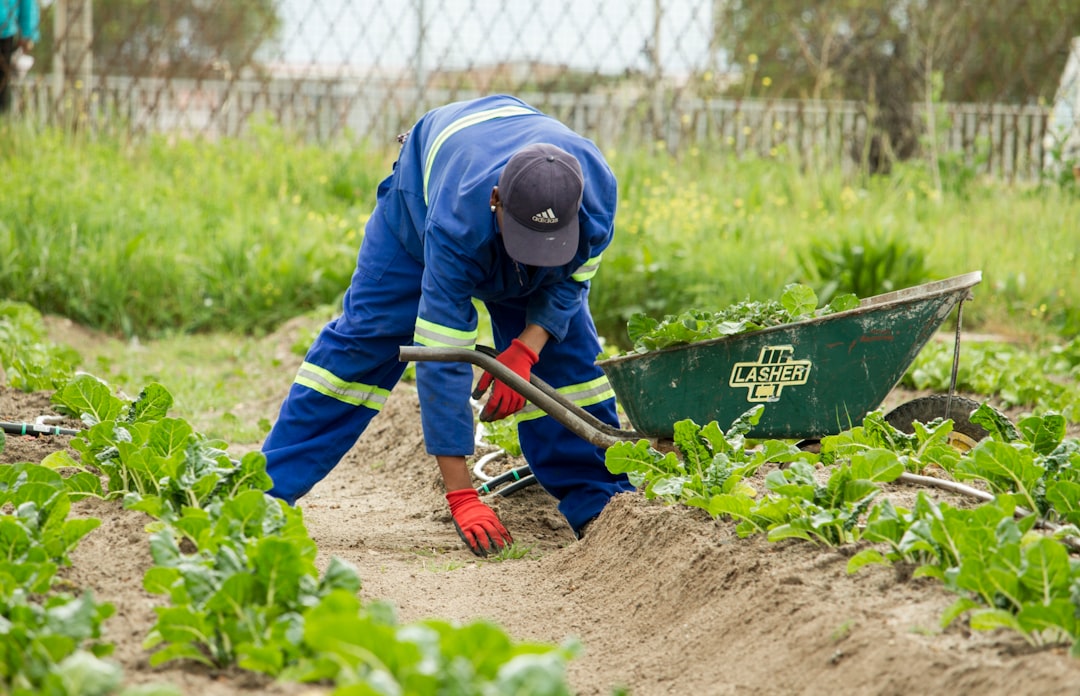
A few summers ago, I sat down and actually calculated how much I’d spent on my garden that year.
Fertilizer, replacement plants for the ones I’d accidentally killed, random gadgets I bought because they looked useful in a YouTube video, plus the hours I’d wasted doing things the hard way. The number was honestly a bit embarrassing.
That moment pushed me to rethink how I approached maintenance entirely. It turns out a lot of effective gardening doesn’t require spending more or working harder. It just requires working a little smarter.
This article covers the tips that genuinely made a difference for me, both in terms of time saved and money kept in my pocket, without sacrificing how healthy or beautiful the garden actually looks.
Stop replacing plants and start preventing problems
One of my biggest hidden expenses early on was constantly buying replacement plants for ones that died from preventable issues.
Most plant deaths come down to a small handful of causes: improper watering, wrong sunlight conditions, or pest problems left unchecked for too long. Addressing these root causes, instead of just replacing dead plants repeatedly, saves a surprising amount of money over a single season.
Before buying anything new, take the time to actually understand why the last one didn’t make it. Was it overwatered? In the wrong spot? Ignored for too long during a pest outbreak? Fixing the underlying issue prevents the cycle from repeating.
Mulch: cheap, effective, and underused
I genuinely didn’t appreciate mulch’s value for years, mostly because it felt like an unnecessary extra step rather than something essential.
A good layer of mulch reduces watering frequency significantly by slowing evaporation, which directly cuts your water bill over time. It also suppresses weeds, meaning less time spent pulling them and fewer resources spent on weed control products.
Many municipalities offer free or heavily discounted mulch made from recycled yard waste. Shredded leaves from your own yard work great too, and cost absolutely nothing beyond the time it takes to rake them up.
Composting instead of buying fertilizer
Store-bought fertilizer adds up quickly, especially if you’re applying it regularly across a decent-sized garden.
Composting kitchen scraps and yard waste creates a free, nutrient-rich alternative that improves soil health just as effectively, sometimes better, than many commercial products.
It takes a bit of patience to build a working compost pile, but once established, it essentially becomes a free, ongoing source of soil amendment that costs nothing beyond occasional turning and basic maintenance.
Even a small backyard setup, using just a simple bin or designated pile, produces enough compost for a modest home garden over the course of a season.
Watering smarter, not more
This tip saves both time and money simultaneously, which is honestly rare.
Deep, infrequent watering uses less water overall compared to frequent shallow watering, while actually producing healthier, more resilient plants in the process.
Installing a simple rain barrel under your gutter downspout collects free water you’d otherwise just lose to drainage. Using that collected water for your garden reduces your reliance on a hose or sprinkler system significantly.
Watering early in the morning also minimizes water lost to evaporation, meaning you use less to achieve the same result compared to midday watering sessions.
Grouping plants by similar needs
I used to scatter plants somewhat randomly based on aesthetic preference, without considering their actual watering or sunlight requirements.
Grouping plants with similar needs together, sometimes called hydrozoning, makes maintenance dramatically more efficient. You’re not running back and forth adjusting watering for one section while neglecting another with completely different requirements.
This single change reduced both the time I spent watering and the amount of water I used overall, simply because I wasn’t trying to satisfy wildly different needs scattered across the same general area.
DIY tool maintenance instead of constant replacement
Garden tools aren’t cheap, and replacing them regularly because of neglect adds up fast.
Cleaning blades after each use, sharpening them periodically, and properly storing tools during off-seasons extends their lifespan significantly. A basic file or sharpening stone costs very little and pays for itself almost immediately compared to buying new shears every year or two.
Oiling metal parts before winter storage prevents rust, which is probably the single biggest reason tools end up prematurely replaced.
Propagating instead of buying new plants
This tip genuinely surprised me with how much money it saved once I started doing it regularly.
Many plants can be propagated from cuttings, divisions, or seeds collected from existing healthy plants. Instead of buying new ones each season, you’re essentially creating more from what you already have.
Perennials in particular often need dividing every few years anyway as they outgrow their space. Rather than discarding the extra portions, replanting them elsewhere in your garden, or sharing with neighbors, turns routine maintenance into free plant expansion.
Choosing native and low-maintenance plants
Exotic, high-maintenance plants might look impressive, but they often require significantly more water, fertilizer, and general attention to survive in conditions they’re not naturally adapted to.
Native plants, adapted to your specific local climate and soil, typically require far less intervention to thrive. They’ve evolved over time to handle your region’s rainfall patterns, temperature swings, and soil composition without constant help.
Choosing these varieties when possible reduces ongoing maintenance demands considerably, saving both time and the resources you’d otherwise spend compensating for a plant that’s simply not suited to your environment.
Batching tasks instead of scattering them
This realization changed how efficiently I actually used my limited gardening time.
Instead of randomly doing one task here and there throughout the week, batching similar tasks together, like dedicating one short session purely to weeding, another to pruning, saves the mental and physical setup time of constantly switching between different activities.
It sounds like a small thing, but consolidating tasks this way genuinely reduced how long my overall weekly maintenance took, without reducing how much actually got accomplished.
Avoiding unnecessary gadgets and products
Garden stores are full of products promising to solve problems you might not actually have, and gadgets that look useful but rarely get used after the first few weeks.
Before buying anything new, it’s worth asking honestly whether a basic, simpler solution already exists. Often, it does, and it’s usually significantly cheaper.
I’ve personally bought specialized tools that ended up sitting unused in my shed, while a basic trowel and a decent pair of shears handled almost everything I actually needed.
Final thoughts
Saving time and money in the garden doesn’t require cutting corners or sacrificing plant health. Most of these tips actually improve outcomes while simultaneously reducing the resources, both time and financial, that maintenance typically demands.
Start with the basics: mulch generously, compost what you can, water deeply rather than frequently, and maintain your existing tools instead of replacing them prematurely.
Over time, these small adjustments add up to a garden that costs less, takes less effort, and honestly tends to look healthier than one maintained through constant spending and last-minute fixes.
