
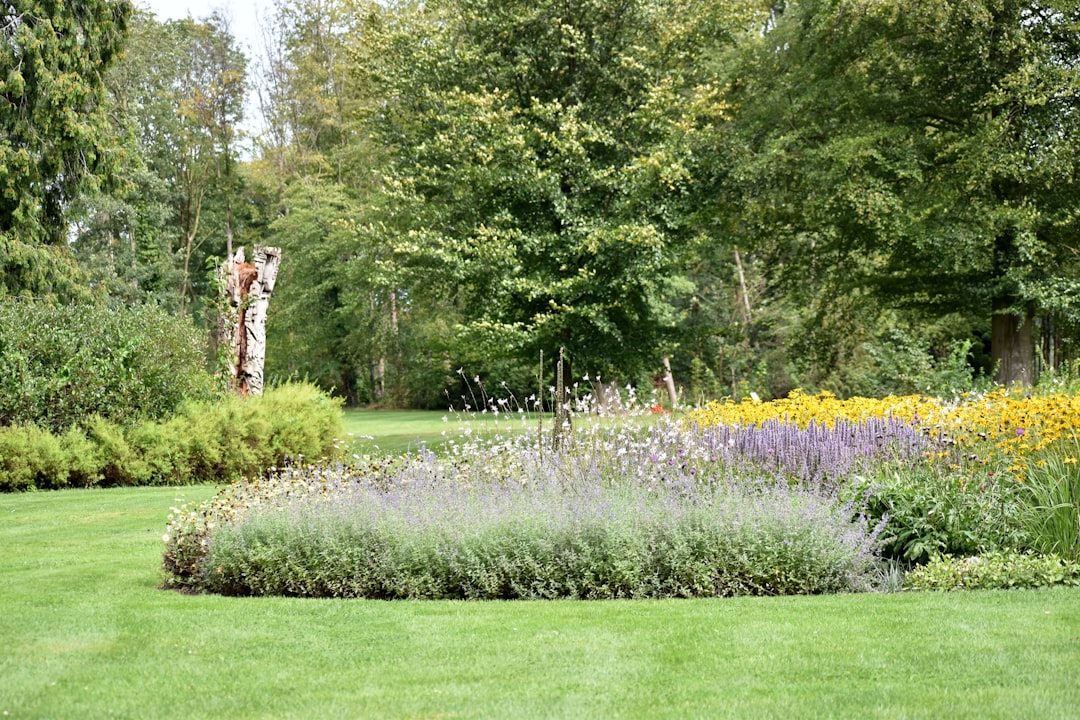
I have a confession. For the longest time, I thought “weekly maintenance” was just a fancy term garden blogs used to sound organized. In reality, I just went outside whenever I felt like it and hoped things worked out.
Sometimes they did. Most times, they didn’t.
What changed things for me wasn’t some elaborate system or expensive tool. It was simply breaking maintenance down into small, repeatable weekly habits instead of treating gardening as one big occasional chore.
This article is basically the routine I wish someone had handed me years ago, instead of letting me figure it out through dead tomato plants and one very sad rose bush.
Why weekly beats “whenever I feel like it”
Plants don’t really care about your schedule, your mood, or how tired you are after work. They have needs that show up consistently, week after week.
When you only check on your garden occasionally, small problems sneak up on you. A tiny pest issue becomes an infestation. Slightly dry soil becomes a wilting plant. A few weeds become a jungle.
Weekly maintenance isn’t about doing more work overall. It’s about spreading that work out so nothing builds up into a crisis.
Honestly, once you get into the rhythm, it takes less total time than the occasional weekend marathon sessions most people dread.
Start with a simple walk-through
Before touching a single tool, just walk around your garden. Slowly.
Look at the leaves. Check the soil. Notice anything that looks different from last week — wilting, discoloration, holes in leaves, new sprouts where you didn’t expect them.
This sounds almost too simple to matter, but it’s honestly the single most valuable habit on this entire list.
Most serious garden problems start small. The homeowners who catch issues early are usually the ones who simply look closely, regularly.
Watering: little and often gets it wrong
I know I mentioned this in a previous post, but it matters enough to repeat here in a weekly context.
Check soil moisture before automatically watering out of habit. Stick a finger a couple of inches into the soil. If it’s still slightly damp, you can usually wait another day.
When you do water, do it deeply rather than briefly. A slow, thorough soak encourages roots to grow downward, which makes your plants noticeably more resilient during hot or dry stretches.
Morning watering tends to work best. It gives plants time to absorb moisture before the heat of the day causes excessive evaporation.
Weeding before it turns into a project
Weeds grow fast, and they don’t wait for a convenient weekend.
Spending just five or ten minutes each week pulling new weeds prevents the dreaded scenario where you suddenly need an entire afternoon to clear an overgrown bed.
A good time to weed is right after watering or rain, when soil is softer and roots release more easily.
Small, frequent effort here genuinely beats large, occasional effort almost every time.
A quick pest and disease check
This is where that initial walk-through really pays off.
Flip a few leaves over. Look at the undersides, where pests like aphids and spider mites love to hide unnoticed.
Check for unusual spots, holes, or discoloration that might signal early fungal or bacterial issues.
Catching these problems in their first week is dramatically easier than dealing with them after they’ve spread across multiple plants.
If you do spot something, simple solutions like insecticidal soap or neem oil often handle minor issues without needing harsher chemical treatments.
Light pruning and deadheading
You don’t need to do major pruning every single week, but a little light maintenance goes a long way.
Removing dead or yellowing leaves keeps plants looking healthier and prevents decay from spreading to healthy tissue.
For flowering plants, deadheading spent blooms (basically removing flowers that have already faded) often encourages the plant to keep producing new blooms instead of putting energy into seed production.
This small task takes just a few minutes but noticeably improves both appearance and overall plant energy.
Checking your mulch layer
Mulch breaks down gradually, and it’s easy to forget about until it’s basically gone.
Once a week, glance at your mulch coverage. If it looks thin in certain spots, especially after wind or heavy watering, top it up.
A consistent two-to-three-inch layer keeps moisture locked in and weeds suppressed, which honestly makes several other tasks on this list easier by default.
Cleaning tools after use
This one feels tedious, but it takes barely any time if you do it weekly instead of letting buildup accumulate.
After using shears, trowels, or gloves, give them a quick wipe down. Dirt and plant residue left on tools can spread disease between plants without you even realizing it.
A clean tool also simply works better, making cuts cleaner and tasks faster overall.
Adjusting based on the weather, not the calendar
Here’s something that took me embarrassingly long to learn: weekly maintenance doesn’t mean doing the exact same thing every single week regardless of conditions.
A particularly rainy week might mean skipping watering entirely but increasing your pest checks, since moisture often brings more insects.
A scorching hot stretch might call for extra watering attention and closer monitoring for wilting.
Treat your weekly routine as a flexible framework, not a rigid checklist carved in stone.
Keeping it sustainable
The biggest mistake people make with maintenance routines is starting too ambitiously and burning out within a month.
You don’t need an hour-long ritual every single weekend. Fifteen to twenty minutes, spread across two or three short sessions per week, is usually more than enough for an average home garden.
Pair it with something you already do regularly. I personally do my walk-through with a cup of coffee before work. It doesn’t feel like a chore because it’s attached to something pleasant I’m doing anyway.
What happens when you stick with it
After a few months of consistent weekly habits, something interesting happens. The garden basically starts managing itself, with only small adjustments needed here and there.
Pest problems become rare because you catch them instantly. Weeds stay minimal because they never get the chance to establish deep roots. Plants generally look healthier because stress factors like drought or nutrient deficiency get addressed before becoming serious.
It’s a strange kind of payoff. The work doesn’t disappear, but it becomes so small and routine that it stops feeling like work at all.
Final thoughts
Garden health isn’t really about dramatic interventions or expensive products. It’s about small, consistent attention spread across each week, rather than crammed into occasional, exhausting sessions.
Start simple. Pick three or four of these habits, build them into your week naturally, and let the rest follow over time.
Your garden will notice the difference long before you do — and eventually, so will you.
