
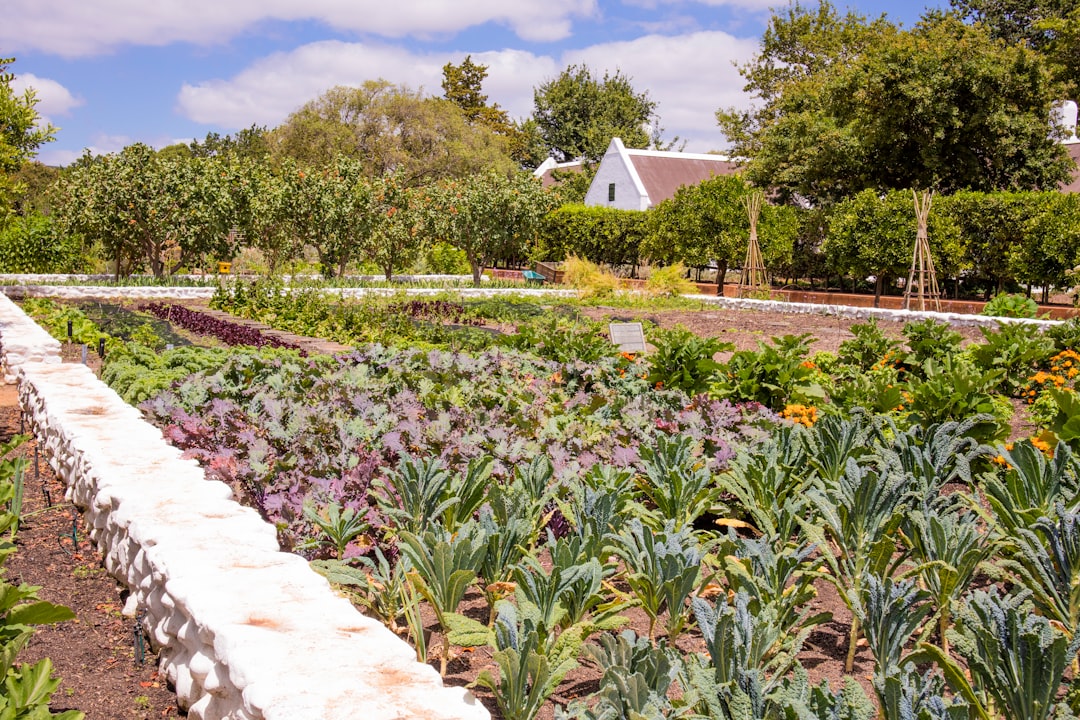
Ever notice how much of gardening arrives wrapped in plastic—pots, trays, seedling cells, fertilizer bags, even the tools? It adds up fast, and most of it is avoidable. Cutting plastic from your garden saves money and keeps waste out of the environment without making growing any harder. Here’s how to do it, practically.
While convenient, this plastic overload comes at a high cost: environmental pollution, landfill waste, microplastic contamination, and long-term ecological harm.
The good news? You can reduce or eliminate plastic in your garden without compromising productivity, beauty, or functionality. In fact, gardening with less plastic often leads to more creative, mindful, and rewarding practices.
This guide will walk you through everything you need to know to reduce plastic use in your garden—step by step. You’ll learn what to replace, how to reuse, what alternatives to choose, and how to build a truly eco-conscious green space.
Let’s start transforming your garden into a plastic-free paradise—one habit at a time.
Why Reduce Plastic in the Garden?
Before diving into solutions, it’s important to understand the why behind plastic-free gardening.
Environmental Impact
Most garden plastics are single-use and non-recyclable. When they break down, they don’t disappear—they become microplastics, which pollute soil, harm beneficial organisms, and eventually enter our food systems.
Soil Health
Plastic debris can alter microbial balance and restrict airflow in soil. This affects how well plants absorb nutrients, leading to weaker growth.
Wildlife Safety
Birds, insects, and other wildlife can ingest or get entangled in plastic waste. This disrupts ecosystems and threatens biodiversity.
Garden Aesthetics and Ethics
A garden built on sustainability principles should reflect environmental values. Reducing plastic helps your space align with your eco-conscious goals and looks more natural and beautiful.
Step 1: Audit Your Plastic Use
Walk through your garden and make a list of every plastic item you use. Look for:
Plastic seed trays
Plastic pots
Fertilizer bags
Plastic garden labels
Hoses, tools with plastic handles
Mulch bags
Plastic furniture or decorations
Group items into:
- Reusable (e.g., durable pots you plan to keep)
- Replaceable (e.g., single-use seed trays)
- Unavoidable (e.g., irrigation system components)
This helps you prioritize where to begin.
Step 2: Start with Reuse
You don’t have to throw everything out overnight. A better first step is reuse.
Repurpose what you already have to extend its life:
Use old pots for new plants
Fix cracked trays with tape or repurpose as storage
Use plastic bags to store compost tools or soil
Reuse yogurt cups, milk jugs, or containers as seed starters
If you must use plastic, make it last. The longer it stays in use, the less waste you generate.
Step 3: Switch to Biodegradable Seed Starters
Instead of plastic seedling trays, try:
Toilet paper rolls
Egg cartons
Newspaper pots
Coconut coir pellets
Peat-free compostable seed plugs
These options allow you to plant the whole container directly into the soil, reducing transplant shock and waste.
Bonus: Kids love making newspaper pots, so it becomes a fun family activity.
Step 4: Choose Terracotta or Ceramic Pots
Replace plastic pots with:
Terracotta
Clay
Ceramic
Metal (with drainage holes)
Wooden planters
Terracotta is breathable, improves root health, and looks more natural. Ceramic pots add aesthetic value, and wood blends beautifully with any garden style.
They last for years, are recyclable, and have no plastic toxins.
Step 5: Use Fabric Grow Bags
Fabric pots are a great plastic-free alternative for raised bed or patio gardening.
Benefits:
Lightweight
Reusable
Breathable for roots
Easy to fold and store
Look for bags made from natural fibers like jute or hemp when possible.
Step 6: Go Plastic-Free with Garden Tools
Many garden tools have plastic handles or parts. Replace or upgrade with:
Wooden-handled tools
Metal trowels and rakes
Bamboo plant markers
Metal watering cans
Natural bristle brushes
Wood and metal are longer-lasting, compostable (in the case of wood), and often more ergonomic.
Step 7: Buy in Bulk or Refill
Avoid plastic packaging by buying:
Soil
Compost
Fertilizer
Seeds
In bulk, or from refill stations when available.
Bring your own containers, or look for local garden centers that offer package-free products.
Ask farmers markets if they collect used plant trays—some allow returns for reuse.
Step 8: Make Your Own Fertilizers and Pesticides
Avoid liquid fertilizers in plastic bottles by making your own.
DIY options:
Banana peel tea
Compost tea
Diluted worm castings
Neem or garlic pest sprays (stored in glass)
Diluted coffee grounds and eggshells
Store your homemade mixes in reused glass jars or spray bottles.
This not only avoids plastic—it also saves money and avoids harsh chemicals.
Step 9: Opt for Natural Mulch and Ground Covers
Skip the plastic weed barrier fabric. It breaks down into microplastics over time.
Better options:
Straw
Wood chips
Compost
Shredded leaves
Newspaper layers
Coconut husk
These alternatives feed the soil as they break down and prevent weeds naturally.
Step 10: Use Rainwater Collection Systems Without Plastic
While many rain barrels contain plastic, there are other options:
Metal barrels
Wooden casks
Ceramic water tanks
If using a plastic container, ensure it’s food-grade and long-lasting. Avoid disposable materials.
Collecting rainwater reduces dependence on treated water and lowers your bills.
Step 11: Build with Upcycled or Natural Materials
Avoid plastic furniture, trellises, and borders.
Instead:
Use reclaimed wood for raised beds
Repurpose old ladders or pallets as trellises
Use stone, brick, or natural log edges
Make fences from woven branches (wattle fencing)
Use salvaged window frames as cold frames
This gives your garden a rustic, unique charm while keeping waste low.
Step 12: Switch to Plastic-Free Garden Labels
Instead of plastic tags:
Use wooden sticks or popsicle sticks
Painted stones
Broken terracotta shards
Chalk on slate
Bamboo labels
Write plant names with waterproof pencils or ink that won’t fade.
Step 13: Grow Plants That Help Reduce Plastic
Some plants can replace plastic-based household products.
Grow loofah (luffa) gourds for sponges
Grow flax to harvest fiber
Grow herbs for natural cleaning sprays
Use dried flowers for decor instead of plastic ornaments
By gardening with purpose, you replace synthetic materials inside and outside your home.
Step 14: Swap Seeds Locally
Many seed packets come in plastic or foil-lined wrappers.
Look for seed exchanges or community gardens where:
Seeds are stored in paper envelopes
You can trade with others
You avoid packaging waste
Bonus: You get local, adapted varieties that are better suited to your climate.
Step 15: Talk to Your Nursery
Support nurseries that:
Offer plants in compostable pots
Reuse plastic containers
Use biodegradable packaging
Allow pot returns for reuse
Your purchase choices influence the market. Ask for alternatives and support sustainable growers.
Frequently Asked Questions
Is it okay to keep using plastic pots I already have?
Absolutely. It’s better to reuse plastic than throw it away. Just avoid buying new plastic when alternatives exist.
Can I recycle black plastic pots?
Most municipal programs don’t accept them due to sorting issues. Return them to nurseries or reuse at home.
What are the most eco-friendly materials for gardening?
Terracotta, wood, bamboo, metal, coconut coir, fabric from natural fibers, and recycled materials.
How do I transition slowly?
Start by replacing one item at a time. Seed trays, labels, and mulch are easy first steps. Track your progress to stay motivated.
Will going plastic-free cost more?
Some items may cost more upfront, but they last longer and reduce waste. Reuse and DIY options can offset most costs.
Final Thoughts: Growing Without Plastic
Going plastic-free in the garden isn’t about perfection—it’s about intention.
By choosing sustainable alternatives, reusing what you can, and making conscious decisions, you build a healthier, more beautiful space for both your plants and the planet.
Each compostable seed tray, wooden label, or reused pot is a small step that adds up. And as you reduce plastic, you also reduce toxins, waste, and dependency on synthetic materials.
Plastic-free gardening helps you reconnect with nature in the most natural way possible. It invites creativity. It encourages community. And it honors the Earth that feeds your garden in the first place.
So take a look around your garden.
Where can you replace plastic with purpose?
Your plants—and the planet—will thank you.
Slughow-to-reduce-plastic-use-in-your-garden
